What is Fragile X Syndrome?:
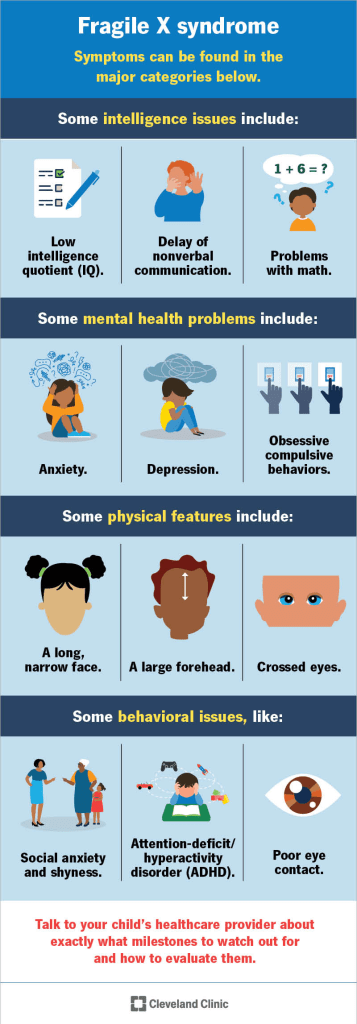
Fragile X syndrome is a genetic disorder that leads to intellectual disability, typically moderate in males and milder in females. Affected males may also develop distinctive physical traits, such as a large head, long face, prominent forehead and chin, protruding ears, flexible joints, and enlarged testes. These features often become noticeable during puberty. Developmental delays in movement and speech are common, and behavioral symptoms, including traits seen in autism, frequently occur.
The condition affects individuals across all ethnicities and is caused by a mutation in the FMR1 gene on the X chromosome. This gene produces a protein called FMRP, which is essential for normal cellular function. The disorder is named for a fragile site observed on the X chromosome in affected individuals, which is the exact location of the FMR1 gene.
Humans have 46 chromosomes in total, including sex chromosomes, with XX in females and XY in males. The FMR1 gene is located on band Xq27.3, which denotes a specific spot on the long arm of the X chromosome. Fragile X syndrome follows an X-linked dominant inheritance pattern, meaning females can be affected, but males tend to show more severe symptoms due to having only one X chromosome.
The core cause of the syndrome is a full mutation in the FMR1 gene, where the CGG triplet repeat in the DNA exceeds 200 copies. This leads to methylation, a chemical change that silences the gene and stops production of FMRP. The lack of this protein results in the symptoms of fragile X syndrome. Males are more frequently and more severely affected due to their single X chromosome.
There are also premutation carriers who have 55 to 200 CGG repeats. These individuals usually do not have symptoms of fragile X syndrome but are at risk of passing the mutation to their children. They may also develop adult-onset conditions such as fragile X-associated tremor/ataxia syndrome (FXTAS) and primary ovarian insufficiency (POI). These related conditions are classified as FMR1-Related Disorders.
Symptoms:
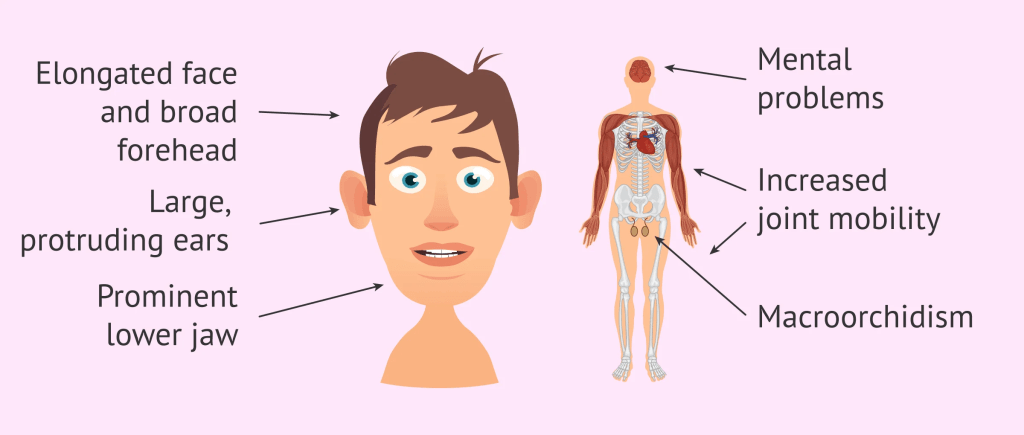
Symptoms are different for males and females with Fragile X. Males tend to experience moderate intellectual disability, while females are more likely to have mild intellectual disability. Physical features of Fragile X in males, like large head, long face, prominent forehead and chin, protruding ears, loose joints and large testes may not present themselves until puberty begins. Other possible symptoms include the following: flat feet, frequent ear infections, low muscle tone, high arched palate, dental problems, crossed eyes, heart problems, delayed motor development, hyperactivity, behavior problems, toe walking, and/or occasional seizures. Autistic behaviors and language delays are also possible in some cases.
Causes:
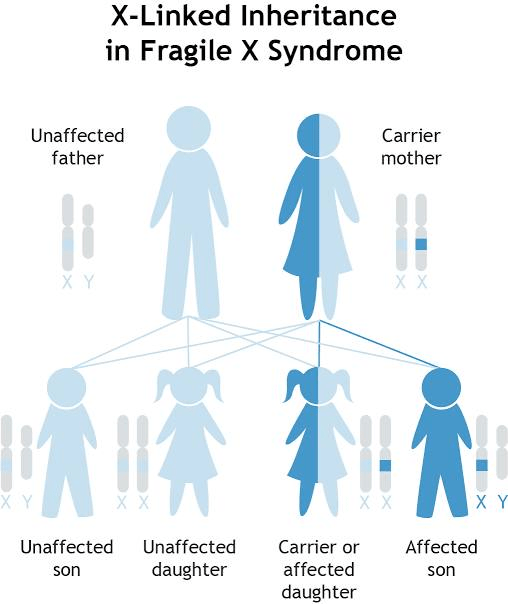
Fragile X syndrome is caused by a mutation in the FMR1 gene on the X chromosome (location Xq27.3). Over 99% of affected individuals have a full mutation, meaning they have over 200 CGG repeats and abnormal methylation, which turns off the gene and prevents production of FMRP, a protein crucial for brain development and neuron communication. Rarely, the syndrome is caused by deletions of the FMR1 gene or point mutations, both of which also lead to lack of functional FMRP.
There are also premutations (55–200 CGG repeats), which do not cause fragile X syndrome but can lead to adult-onset conditions like FXTAS (Fragile X-associated Tremor/Ataxia Syndrome) and POI (Primary Ovarian Insufficiency). Premutations are unstable and may expand to full mutations in the next generation, especially when passed on by females. Males with premutations can only pass them to daughters, who are not typically affected but may pass a full mutation to their children. Normal FMR1 genes have 5–44 repeats, which are stable. Intermediate (gray zone) repeats (45–54) may show slight instability but do not cause symptoms or disorders.
Diagnosis:

Over 99% of people with fragile X syndrome have a full mutation in the FMR1 gene, characterized by over 200 CGG repeats and abnormal methylation. Molecular genetic testing is now the standard method for diagnosing the condition, as it accurately determines the number of CGG repeats and methylation status. Older diagnostic methods, like chromosome analysis to detect fragile sites, are no longer used because they are less accurate and more expensive than molecular techniques.
Treatment:
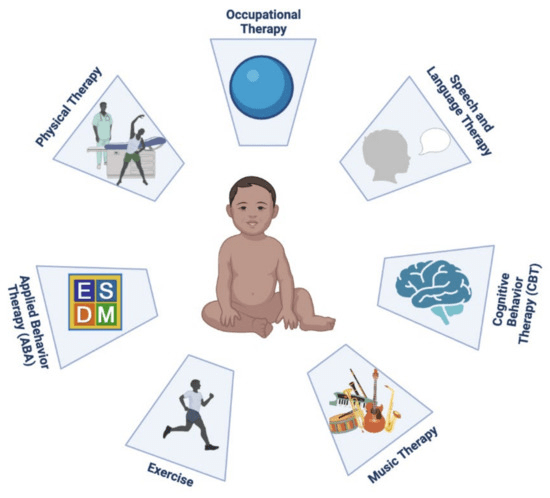
There are various treatments available for fragile X syndrome that help improve quality of life, including special education, speech and occupational therapy, sensory integration, and behavior modification. Progress is possible for all affected individuals with the right support and interventions. Treatment is tailored to each person’s specific symptoms, and genetic counseling is advised for individuals and their families. Fragile X Clinics in the U.S. and globally offer specialized care, therapy, and up-to-date guidance on medication options, with new treatments continuing to emerge.
How You Can Make an Impact:
Without proper research, funding, and support for continued studies and clinical trials to determine possible cures, legitimate medicines for the disease, or preventative treatment, many more people will go on to develop Fragile X Syndrome. If you can, please donate here! If you are unable to donate, consider volunteering your time by raising awareness for this rare disease. If you’re interested in learning more about Fragile X Syndrome, donation opportunities, or the progress being made on potential treatments, visit the The National Fragile X Foundation. The National Fragile X Foundation strives “to lead the fight against autoimmune disease by improving healthcare, advancing research, and empowering the community.”
References:
Saul, R., & Tarleton, J. (2022, April 18). Fragile X Syndrome – Symptoms, Diagnosis, Treatment | NORD. NORD (National Organization for Rare Disorders); NORD. https://rarediseases.org/rare-diseases/fragile-x-syndrome/
 Rare Disease Insights
Leave a comment