What are LSDs?:

Lysosomal storage diseases are a group of inherited metabolic disorders caused by deficiencies in specific enzymes, leading to the accumulation of harmful substances within the body’s cells. These toxic buildups can affect various parts of the body, such as the skeleton, brain, skin, heart, and central nervous system. Currently, nearly 50 different lysosomal storage disorders have been identified, and researchers continue to discover new ones. Although some clinical trials are underway to explore potential treatments, many of these diseases still lack approved therapies.
Symptoms:
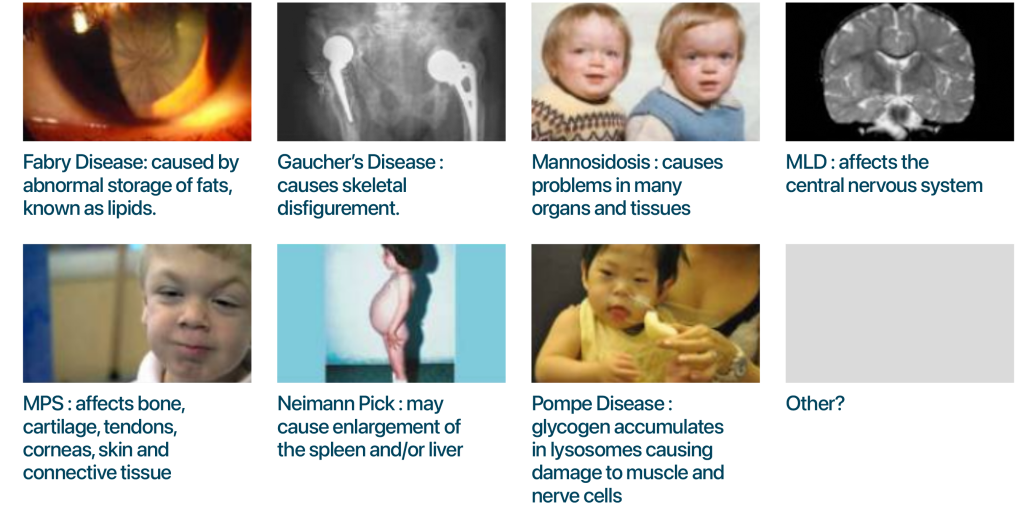
The symptoms of lysosomal storage diseases vary depending on the specific disorder, but they all result from a deficiency in certain enzymes. This deficiency interferes with the normal function of lysosomes, which are responsible for breaking down complex substances into simpler ones within the cells. Each cell contains many lysosomes that help degrade components like proteins. When the enzymes needed for this process are missing or not working properly, these substances build up inside the cells. This accumulation leads to the development of symptoms, which is why these conditions are referred to as storage diseases. Over time, the symptoms typically worsen as the buildup continues.
Causes:
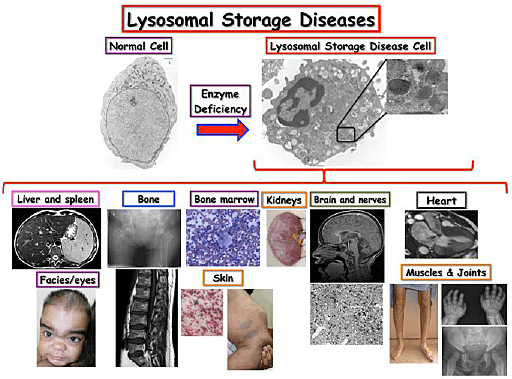
Lysosomal storage diseases are caused by inherited metabolic defects that lead to a missing or deficient enzyme. This enzyme deficiency prevents the proper breakdown of certain substances within the cells, causing them to accumulate abnormally. Most of these disorders are inherited in an autosomal recessive pattern, meaning that a person must inherit two copies of the defective gene (one from each parent) in order to be affected.
Genetic information is stored in chromosomes, which are located in the nucleus of every human cell. People typically have 46 chromosomes, arranged in 23 pairs. These include 22 pairs of numbered chromosomes and one pair of sex chromosomes. Females have two X chromosomes, while males have one X and one Y chromosome. Each chromosome has a short arm (p) and a long arm (q), and these arms are further divided into numbered bands that indicate the precise location of genes.
In recessive genetic disorders, a person who inherits only one defective gene becomes a carrier but usually does not develop symptoms. If both parents are carriers of the same recessive gene, there is a 25% chance with each pregnancy that their child will inherit both abnormal genes and be affected. There is also a 50% chance the child will be a carrier and a 25% chance the child will inherit two normal genes. These risks apply equally to both male and female children.
All people carry a few abnormal genes, but when parents are closely related by blood, they have a greater likelihood of carrying the same genetic mutations. This increases the risk of passing on a recessive disorder to their children.
Diagnosis:

Prenatal diagnosis is available for all types of lysosomal storage disorders, making it possible to identify these conditions before birth. Early detection, whether during pregnancy or shortly after birth, is important because it allows for timely medical intervention. When treatments exist, either for the disease itself or to manage its symptoms, starting therapy early can help reduce the long-term impact and improve the overall outcome for the affected individual.
Treatment:
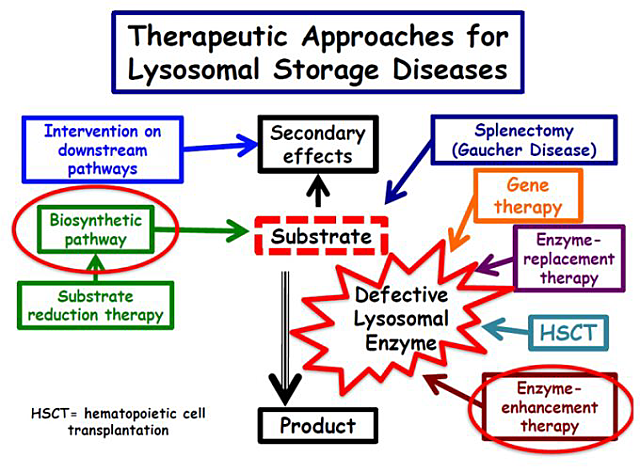
Currently, there is no cure for lysosomal storage disorders, and many of these conditions still do not have specific treatments. However, research is ongoing, and progress continues to be made in developing new therapies. For some lysosomal storage disorders, treatments are available that can significantly improve the quality of life for those affected. In most cases, however, treatment focuses on managing symptoms rather than addressing the root cause of the disease.
How You Can Make an Impact:
Without proper research, funding, and support for continued studies and clinical trials to determine possible cures, legitimate medicines for the disease, or preventative treatment, many more people will go on to develop LSDs. If you can, please donate here! If you are unable to donate, consider volunteering your time by raising awareness for this rare disease. If you’re interested in learning more about Lysosomal Storage Disorders, donation opportunities, or the progress being made on potential treatments, visit the Lysosomal Disease Network. The Lysosomal Disease Network strives “to advance innovative science by developing optimal therapies for lysosomal diseases (LDs) through clinical research, newborn screening, the study of long-term outcomes, and promoting global collaboration.”
Let’s keep spreading awareness! – Lily
References:
Clarke, J. T. R. (2008, March 14). Lysosomal Storage Disorders – Symptoms, Causes, Treatment | NORD. NORD (National Organization for Rare Disorders); NORD. https://rarediseases.org/rare-diseases/lysosomal-storage-disorders/
 Rare Disease Insights
Leave a comment