What is CIP?:
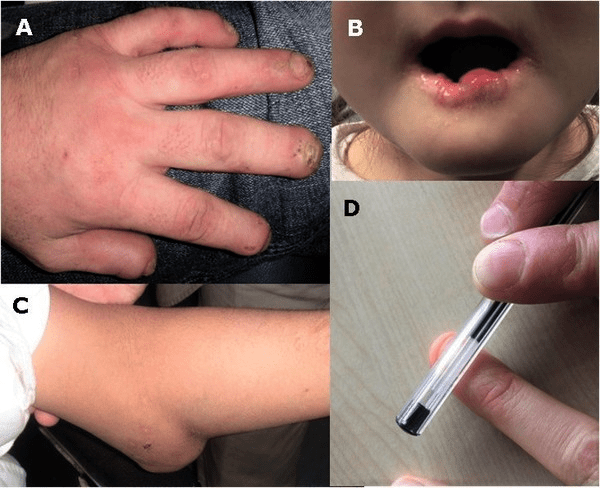
Congenital insensitivity to pain (CIP) refers to a group of extremely rare conditions where a person is born without the ability to feel pain. Individuals with this condition do not experience pain even in situations where it would normally occur, such as injuries, burns, or infections. As a result, they may face serious health risks because they are unable to detect harmful levels of heat, cold, or pressure. This lack of pain awareness can lead to repeated injuries and complications with healing.
CIP can be divided into two main categories. The first is developmental disorders, where the nerve cells responsible for detecting pain, known as nociceptors, either do not develop properly or die off early. The second category includes functional disorders, in which nociceptors are present and located correctly within the body but fail to respond to signals of tissue damage. In both cases, the individual is unable to perceive pain.
The condition is caused by genetic changes that affect how the body processes pain. Since there is no cure, treatment focuses on managing the specific symptoms that each person experiences and minimizing the risk of injury or complications.
Symptoms:
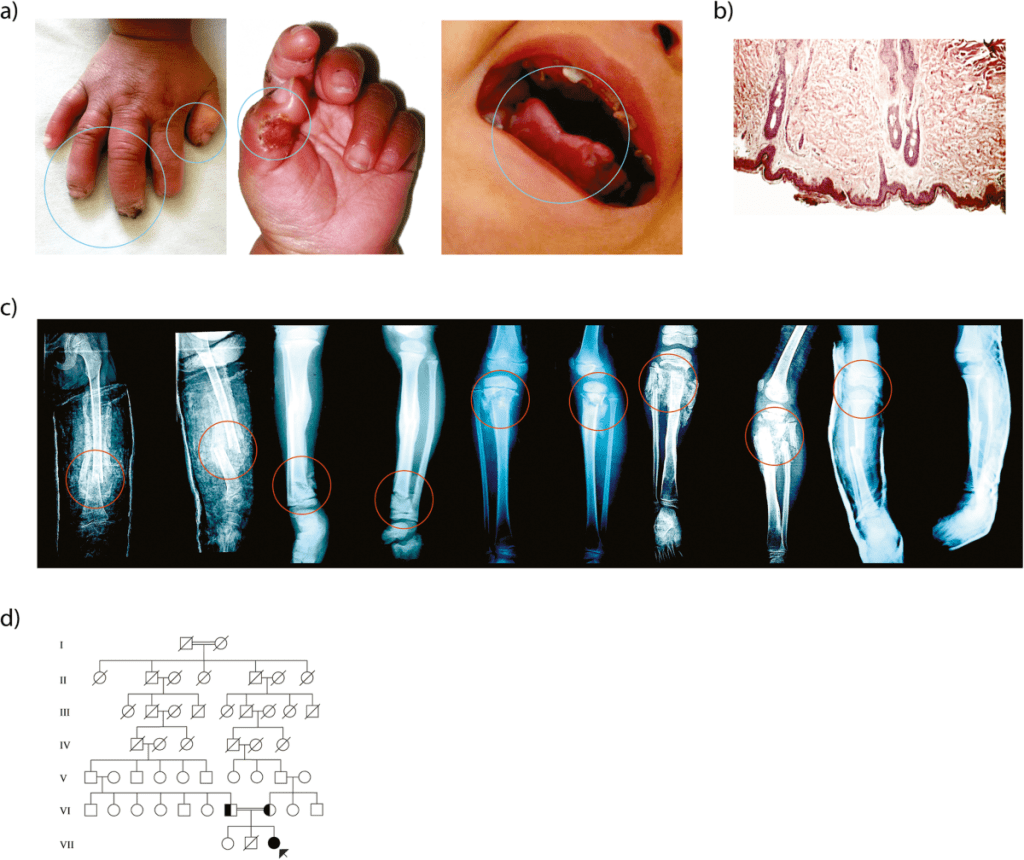
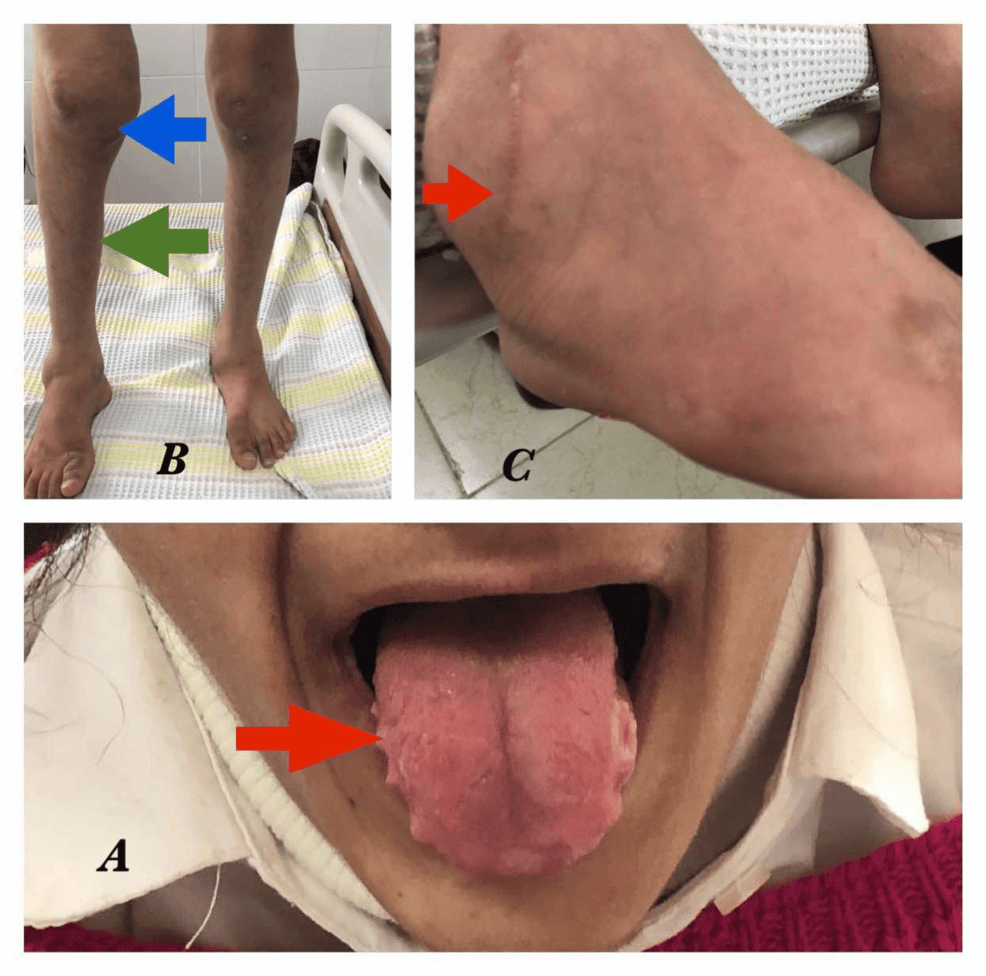
Symptoms of congenital insensitivity to pain (CIP) can vary depending on a person’s age, but they typically involve a range of serious health challenges due to the inability to feel pain. In infants and young children, common symptoms include frequent self-injury, such as biting the fingers, lips, or tongue, which often leads to tissue damage. These children may also experience frequent cuts and bruises without showing signs of discomfort. Burns are another common issue, as they are unable to sense harmful temperatures. Delayed wound healing and an increased risk of infections are also observed, along with recurring ear infections, which may be linked to weaker immune responses.
As individuals with CIP grow older, additional complications can arise. Older children and adults may suffer from fractures that go unnoticed due to the absence of pain, leading to long-term complications. Joint damage, particularly in the ankles, hips, and spine, is common and can result in deformities over time, a condition known as Charcot joints. Eye injuries can also occur because of the absence of natural protective reflexes, sometimes leading to scarring and vision problems. Some individuals experience issues with temperature regulation, such as an inability to sweat (anhidrosis) or excessive sweating (hyperhidrosis). Intellectual and developmental differences may also be present. While some individuals have normal intelligence, others may experience learning disabilities, hyperactivity, or impulsiveness. Chronic infections of the skin and bones, often caused by Staphylococcus aureus, are frequent. Additionally, many people with CIP and anhidrosis have unexplained chronic anemia.
CIP is classified into two main groups based on how the nerve endings responsible for pain perception, which are called nociceptors are affected. In developmental disorders, nociceptors either fail to develop properly or die prematurely due to a lack of necessary growth signals. These conditions are referred to as hereditary sensory and autonomic neuropathies (HSANs), which affect both sensory and autonomic nerve functions. Nerve biopsies in people with HSAN often show a loss of specific nerve fibers involved in sensing pain. The most well-known type in this group is HSAN type IV, also known as congenital insensitivity to pain with anhidrosis (CIPA). Individuals with this form may experience cognitive delays and are especially prone to infections caused by Staphylococcus aureus, which can result in chronic skin infections, bone infections, and septic arthritis.
In functional disorders, the nociceptors are physically present and located correctly in the body, but they are unable to react to signals of tissue damage. This results in the same inability to feel pain, despite the normal development of pain-sensing nerves. There are several subtypes of CIP, each with its own specific genetic cause and distinct clinical characteristics.
Causes:
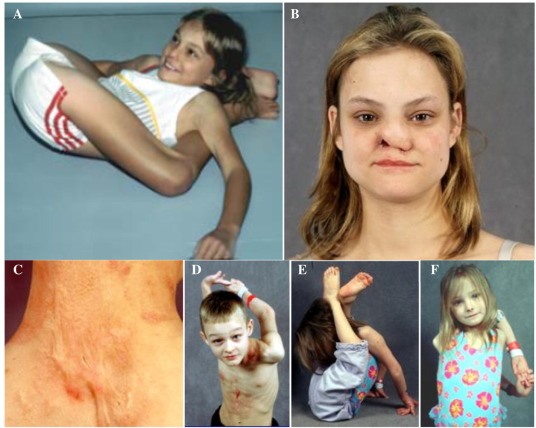
Congenital insensitivity to pain (CIP) is a condition caused by changes in certain genes that impact specialized nerve cells responsible for detecting and transmitting pain signals to the brain. These genetic variants interfere with the normal function of these nerves, preventing the sensation of pain. Several genes have been linked to CIP, including SCN9A, CLTCL1, SCN11A, PRDM12, ZFHX2, NTRK1, and NGF. In addition to pain insensitivity, some genetic variants associated with CIP may also affect other functions such as sweating, immune response, or cognitive development.
CIP can be inherited in either an autosomal dominant or autosomal recessive pattern, depending on the specific genetic subtype. In autosomal dominant inheritance, only one copy of a gene variant is needed to cause the disorder. This variant may be inherited from one parent or may occur as a new mutation in the affected individual. Each child of an affected parent has a 50% chance of inheriting the condition, regardless of sex. In contrast, autosomal recessive inheritance requires two copies of the disease-causing gene variant (one from each parent). Individuals with only one copy are typically carriers without symptoms. If both parents are carriers, there is a 25% chance with each pregnancy that the child will be affected, a 50% chance the child will be a carrier, and a 25% chance the child will inherit neither variant. These probabilities apply equally to males and females.
Diagnosis:
Doctors may begin to suspect a specific subtype of congenital insensitivity to pain (CIP) based on a person’s medical history and observed symptoms. A confirmed diagnosis typically requires genetic testing, which can detect one or more disease-causing variants in genes known to be associated with CIP. To better understand how CIP is affecting an individual and to develop an appropriate care plan, doctors often recommend additional evaluations. These assessments help identify any related health issues and inform treatment decisions. Further information about these evaluations can be found in the Standard Therapies section.
Treatment:

Currently, there is no cure or specific treatment for congenital insensitivity to pain (CIP). Medical care focuses on assessing how the condition affects different parts of the body and managing related complications. Evaluations are tailored to each individual based on their specific genetic variant and symptoms, and not all recommended tests are necessary for every person with CIP.
Doctors may conduct various assessments to monitor the effects of CIP. These include skin evaluations to check for dryness, cracks, or thickened skin, especially on the hands and feet; body temperature monitoring, particularly for those with anhidrosis (inability to sweat), as they are at risk for overheating or getting too cold; and full-body exams to detect unnoticed injuries like bruises, burns, or infections. Orthopedic evaluations may be done to check for bone fractures or joint damage, often requiring X-rays. Regular dental exams are important, as individuals may unknowingly bite themselves or injure their teeth. Eye exams are also essential since eye injuries may go unnoticed due to the absence of pain. Developmental and behavioral assessments can help identify learning difficulties or conditions like ADHD. In some cases, doctors also evaluate the sense of smell, as some people with CIP have a reduced or absent ability to smell.
Ongoing care involves regular check-ups with multiple specialists. This may include dental exams every six months, daily injury checks by caregivers, annual orthopedic and eye exams, and temperature monitoring as needed. Genetic counseling is advised for affected individuals and their families to better understand the condition and its inheritance.
Since there is no standardized treatment for CIP, management focuses on preventing injuries and addressing complications. A team of specialists, such as pediatricians, orthopedic surgeons, dentists, dermatologists, and eye doctors, typically coordinate care. Specific interventions may include smoothing or removing sharp teeth, using mouthguards to prevent self-injury, treating bone fractures (which may heal slowly), and providing supportive devices or corrective surgery for joint problems. Eye injuries may be managed with lubricating drops and regular eye exams. Wounds must be cleaned and monitored closely to prevent infection, and antibiotics may be required. People with CIP should avoid extreme temperatures and use tools like cooling or warming blankets as needed.
For children with developmental delays, early intervention services, speech and occupational therapy, and customized education plans can be beneficial. Because individuals with CIP lack the natural warning system that pain provides, extra safety precautions are necessary. This includes child-proofing the home, using safety gates, protecting sharp furniture edges, and closely supervising activities. Teachers and school staff should be informed of the condition to provide support if injuries occur. Maintaining good hygiene, using antiseptic soaps, and treating wounds promptly help reduce infection risks.
Risky or high-impact activities should be avoided, as injuries might go unnoticed. Safer physical activities such as swimming, cycling, or dancing are generally recommended. During surgeries, careful monitoring is needed since pain cannot be relied on to assess recovery. Women with CIP can have typical pregnancies, but healthcare providers must be aware that labor will be painless and injuries may go undetected.
Education and support play a key role in living with CIP. Understanding the condition and connecting with others who share the experience can offer emotional and practical benefits.
How You Can Make an Impact:
Without proper research, funding, and support for continued studies and clinical trials to determine possible cures, legitimate medicines for the disease, or preventative treatment, many more people will go on to develop CIP. If you can, please donate here! If you are unable to donate, consider volunteering your time by raising awareness for this rare disease. If you’re interested in learning more about CIP, donation opportunities, or the progress being made on potential treatments, visit the HSAN IV Foundation. HSAN IV Foundation strives “to spread awareness and fund gene therapy research as we work to increase the quality of life for those affected.”
References:
Gioconda, A. (2025, February 24). Congenital Insensitivity to Pain (CIP) – Symptoms, Causes, Treatment | NORD. National Organization for Rare Disorders (NORD). https://rarediseases.org/rare-diseases/congenital-insensitivity-to-pain-cip/
 Rare Disease Insights
Leave a comment