What is Vogt-Koyanagi-Harada Disease?:
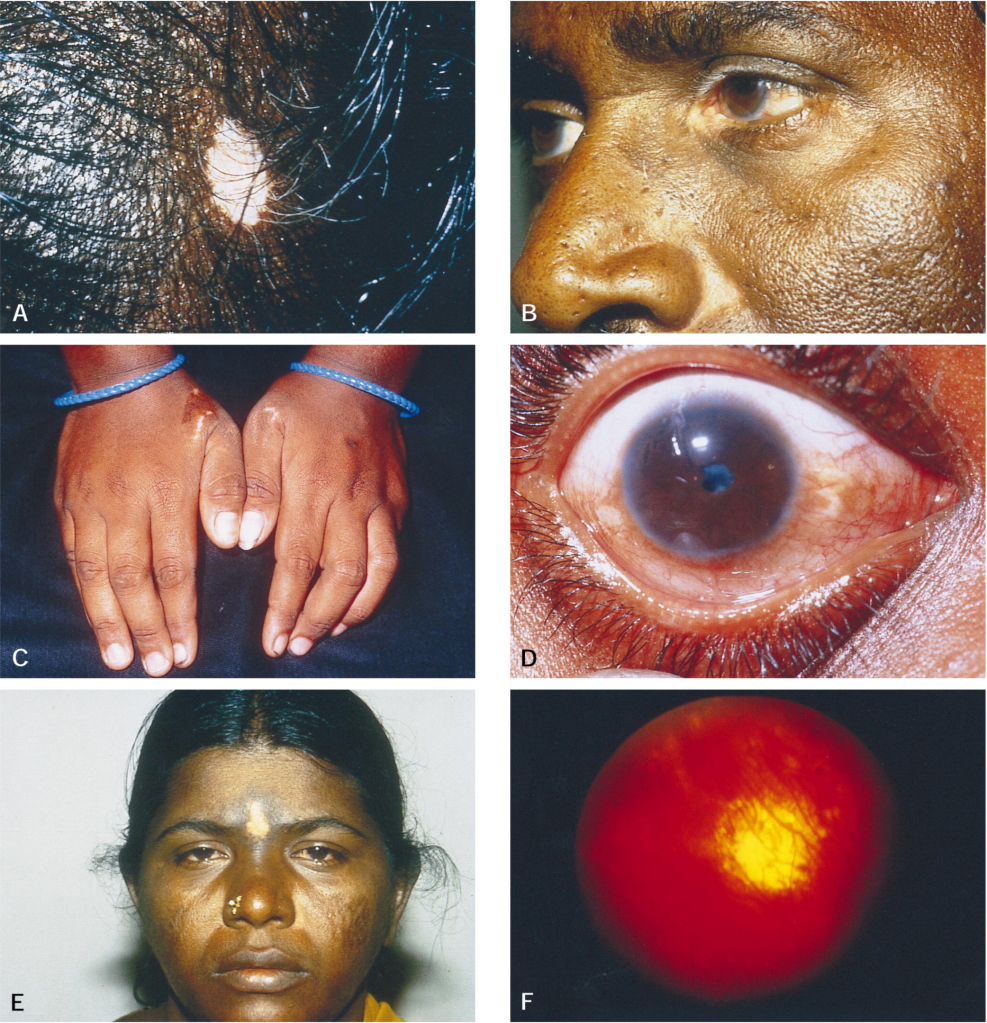
Vogt-Koyanagi-Harada disease is a rare, multisystem disorder with an unknown cause. It primarily affects the eyes, but it can also involve the ears, skin, and the membranes that cover the brain and spinal cord, known as the meninges. One of the most prominent symptoms is a sudden and significant loss of vision. In addition to visual problems, individuals may experience neurological issues such as intense headaches, dizziness, nausea, and excessive sleepiness. Other symptoms can include hearing loss, hair loss, and changes in skin pigmentation. Some people may also develop whitening of the hair and eyelashes, a condition known as poliosis.
Symptoms:
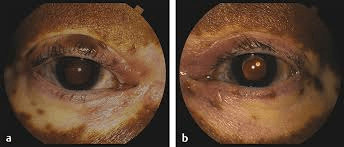
Vogt-Koyanagi-Harada disease typically begins with early symptoms such as severe headaches, intense eye pain, dizziness, and nausea. These initial signs are often followed within a few weeks by inflammation of the eye, known as uveitis, and blurred vision. The inflammation may affect both eyes simultaneously or start in one eye and then appear in the other within a few days. In some cases, the retina may detach, and hearing loss may also become noticeable.
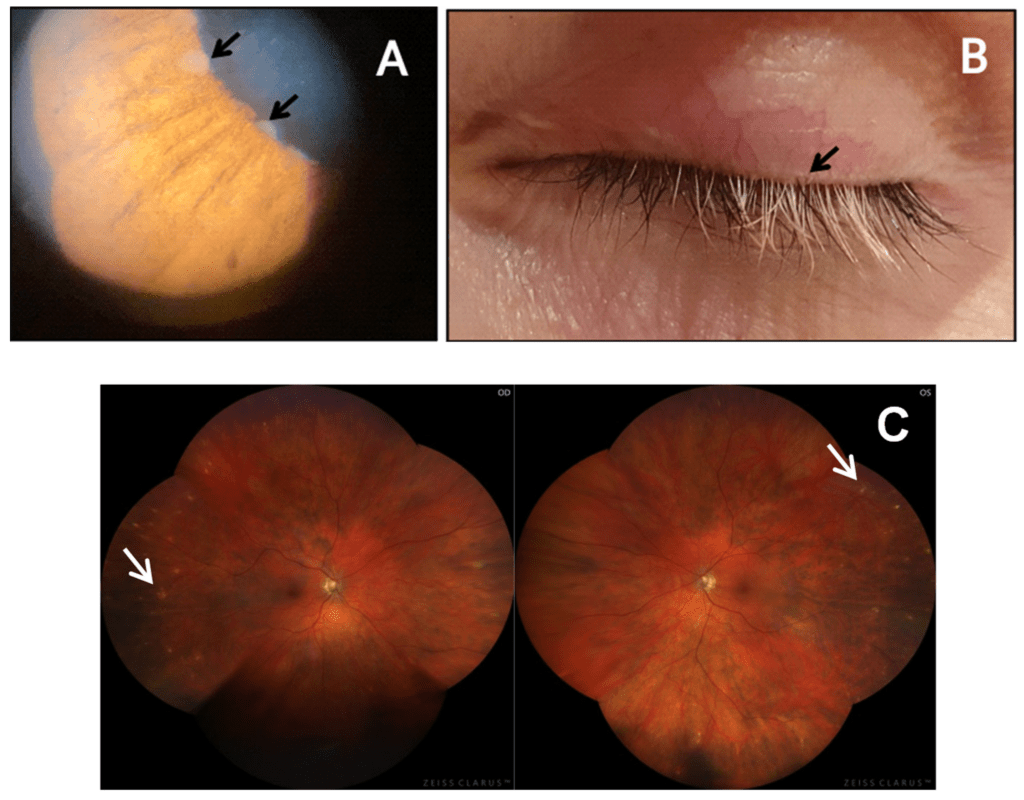
After this early phase, the disease enters a chronic stage that begins a few weeks later. During this phase, changes occur in both the eyes and the skin. In the eyes, there may be a loss of pigment in the choroid, the layer rich in blood vessels that supports the retina. Small yellow nodules can also develop in parts of the retina. Skin changes typically involve the appearance of smooth, white patches due to the loss of pigment-producing cells, a condition known as vitiligo. These patches often appear on the head, eyelids, and torso. The chronic stage can last for several months or even years.
With appropriate treatment, many individuals experience improvement in vision and hearing. However, some permanent effects may remain, including partial vision or hearing loss, as well as hair loss accompanied by changes in pigmentation of the hair, eyelashes, and skin. Long-term visual complications may include the development of cataracts and secondary glaucoma.
Causes:

The exact cause of Vogt-Koyanagi-Harada disease is still unknown, but researchers believe it may result from an abnormal immune response involving the human leukocyte antigen (HLA). These are genetic markers found on chromosome 6 that can react with specific antibodies. Individuals who carry certain HLA types may be more likely to develop this condition due to their immune system mistakenly targeting the body’s own tissues.
Vogt-Koyanagi-Harada disease is considered an autoimmune disorder, meaning the body’s immune system, which normally protects against harmful invaders, begins to attack healthy tissues instead. In this case, the immune system may target pigment-containing cells in various parts of the body.
There is also some evidence suggesting a genetic predisposition to the disease. It has been reported in siblings and in twins, which supports the idea that genetic factors may play a role. A genetic predisposition means that someone may carry a gene that increases the risk of developing the disease, but it may only become active when triggered by certain environmental factors.
Diagnosis:
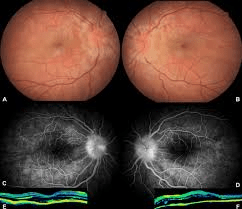
The diagnosis of Vogt-Koyanagi-Harada (VKH) disease is based on several key criteria. These include inflammation in both eyes, no evidence of another eye disease that could explain the inflammation, and no prior history of eye trauma or surgery. An international panel of experts has defined three forms of the disease based on the presence and combination of symptoms.
Complete VKH disease involves widespread inflammation of the choroid in both eyes, which may include fluid buildup under the retina known as serous retinal detachment. In some cases, the iris and ciliary body may also become inflamed. This form is also marked by neurological symptoms such as ringing in the ears, stiffness in the neck, or the presence of immune cells in the cerebrospinal fluid. In addition, patients show dermatological signs like white patches on the skin, sudden hair loss, or loss of pigmentation in the hair, eyelashes, or eyelids.
Incomplete VKH disease presents with similar eye inflammation but only includes either the neurological or the dermatological features, not both.
Probable VKH disease is diagnosed when the patient has the characteristic eye involvement but does not show any neurological or skin-related symptoms.
Treatment:
The primary treatment for Vogt-Koyanagi-Harada (VKH) disease involves the early use of high-dose systemic corticosteroids. This approach is often followed by immunosuppressive therapy to help control inflammation and prevent disease progression. To diagnose VKH, specialists such as ophthalmologists or neurologists may use several tests. These include a spinal tap to examine cerebrospinal fluid, angiography to visualize blood vessels using injected dye, and ultrasound imaging to assess ocular structures. In addition to these targeted treatments, supportive and symptomatic care is also provided to help manage individual symptoms and improve the patient’s overall quality of life.
How You Can Make an Impact:
Without proper research, funding, and support for continued studies and clinical trials to determine possible cures, legitimate medicines for the disease, or preventative treatment, many more people will go on to develop Vogt-Koyanagi-Harada Disease. If you can, please donate here! If you are unable to donate, consider volunteering your time by raising awareness for this rare disease. If you’re interested in learning more about Vogt-Koyanagi-Harada Disease, donation opportunities, or the progress being made on potential treatments, visit the Autoimmune Association. The Autoimmune Association strives to “fight against autoimmune disease by advocating and collaborating to improve healthcare, advance research, and empower the community through every step of the journey.”
Let’s keep spreading awareness! – Lily
References:
Walton, R. C. (2021, April 26). Vogt-Koyanagi-Harada Disease – Symptoms, Causes, Treatment | NORD. NORD (National Organization for Rare Disorders). https://rarediseases.org/rare-diseases/vogt-koyanagi-harada-disease/
 Rare Disease Insights

Leave a comment