What is Mastocytosis?:
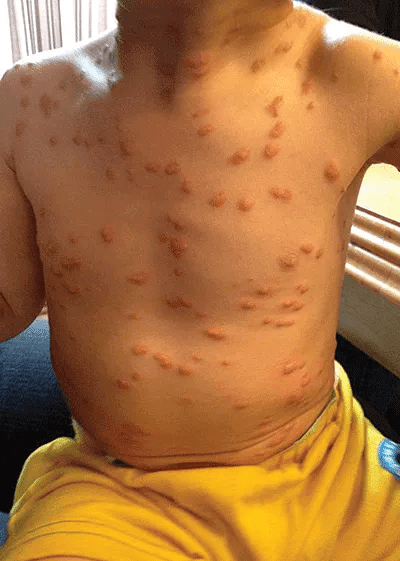
Mastocytosis is a rare condition characterized by the excessive accumulation and overactivation of mast cells throughout the body. These cells can accumulate in the skin, bone marrow, and various organs, including the liver, spleen, digestive system, and lymph nodes. The condition can occur in both children and adults, and it is classified into different types based on symptoms and how it affects the body.
When mastocytosis starts in adulthood, it is usually long-lasting and often affects the bone marrow as well as the skin. In children, it most often affects only the skin, does not involve internal organs, and may improve or go away around puberty. In adults, the condition is usually ongoing and, in some cases, can develop into a more severe form over time.
Symptoms:
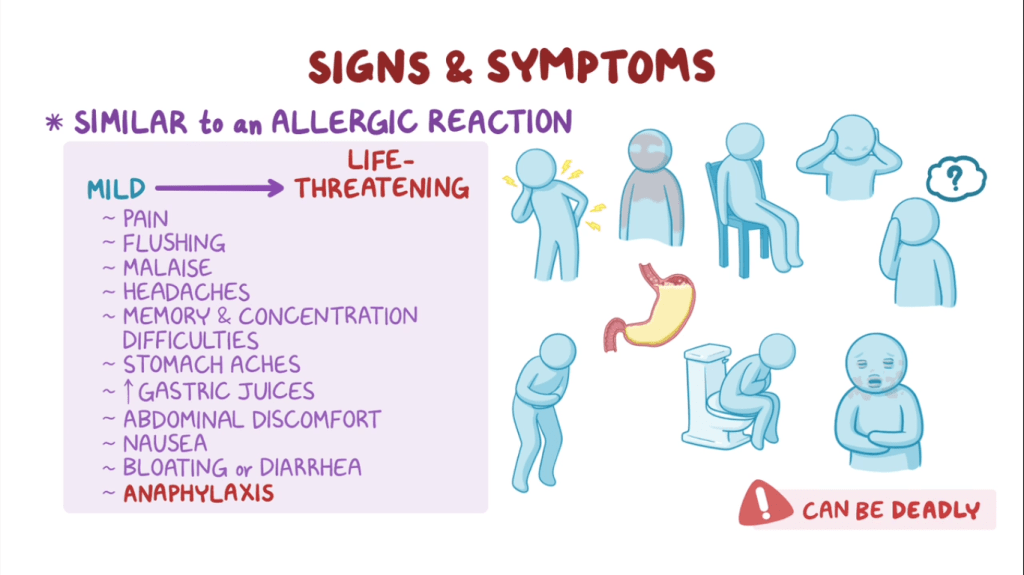
Mastocytosis symptoms can vary widely, from mild discomfort to very serious and sometimes dangerous reactions. Most symptoms happen because mast cells release chemicals into the body, similar to an allergic reaction, even when there is no clear allergy trigger. Ongoing medical follow-up is especially important for people with more severe forms of the condition. Common symptoms related to histamine release include skin flushing or redness, increased stomach acid that can cause heartburn and stomach pain, bloating, and diarrhea.
In more advanced disease, symptoms may include enlargement of internal organs such as the liver, spleen, and lymph nodes, which need regular monitoring. Bone problems can occur, including bone thinning or weakening, and in some cases, abnormal thickening of certain bones. Some patients develop low blood cell counts, bone breakdown, swollen lymph nodes, liver enlargement with reduced liver function, fluid buildup in the abdomen, increased pressure in the liver, and difficulty absorbing nutrients from food.
Some people may experience severe allergic-type reactions called anaphylaxis. These happen when a large amount of chemicals is suddenly released from mast cells and can be life-threatening. Common triggers include insect stings, physical stress such as heat, cold, exercise, or skin irritation, emotional stress, alcohol, spicy foods, and certain medications. Symptoms of anaphylaxis may include flushing, low blood pressure, a rapid heartbeat, fainting, abdominal cramps, and loss of consciousness.
Other symptoms that can occur include pain, nausea, headaches, trouble with memory and focus, and ongoing fatigue or a general feeling of being unwell. Some individuals with mastocytosis also have symptoms related to another blood disorder. These can include extreme tiredness, pain in the upper left side of the abdomen from an enlarged spleen, easy bruising or bleeding, and unexplained weight loss. People who have had severe reactions to bee stings or who were previously diagnosed with anaphylaxis without a known cause may actually have mastocytosis. For this reason, it is important to consider this condition during evaluation and diagnosis.
Causes:

Mastocytosis is caused by changes in a gene called KIT that make mast cells in the immune system too active. These gene changes cause mast cells to grow out of control and collect in different parts of the body, which leads to symptoms. The most common change, called D816V, is found in more than 90 percent of adults with mastocytosis and in about 40 percent of children. Another 40 percent of children have different KIT gene changes, but it is still unclear whether these changes affect how severe the condition will be in children.
These gene changes happen only in certain body cells and are not inherited. They are not passed from parents to children because they are not present in egg or sperm cells. Mast cells release chemicals such as histamine, leukotrienes, and prostaglandins, which cause the symptoms of mastocytosis. Histamine, for example, can cause itching, breathing problems, widening of blood vessels, and increased stomach acid. This leads to symptoms like allergic-type reactions, skin rashes, and digestive discomfort.
Diagnosis:
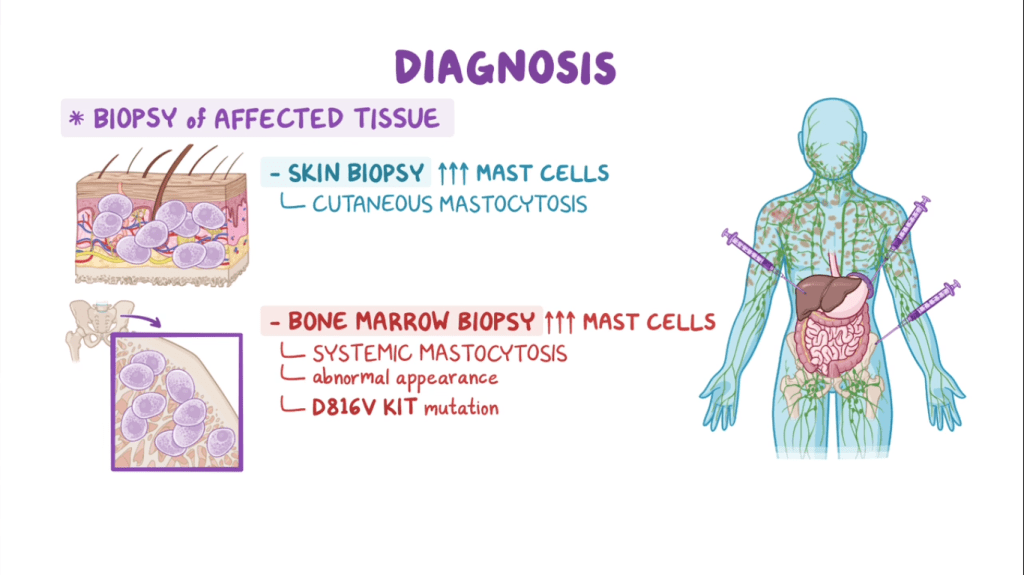
Some conditions that involve mast cell activation can look very similar to mastocytosis, so proper testing for mastocytosis is important. When mastocytosis affects only the skin, doctors can often make the diagnosis based on how the skin looks. This can be confirmed with a skin biopsy that shows a large number of mast cells. When systemic mastocytosis is suspected, a bone marrow biopsy is needed. This test shows an increased number of mast cells that also appear abnormal.
Tryptase is an enzyme released by mast cells and can be measured in the blood. Normal tryptase levels are usually around 5 ng per milliliter. There are two main forms, called alpha and beta tryptase. Alpha tryptase is released steadily by mast cells, and higher levels usually reflect a higher number of mast cells in the body. Elevated alpha tryptase levels are commonly seen in systemic mastocytosis. A baseline tryptase level above 20 ng per milliliter is considered one of the diagnostic criteria for systemic mastocytosis. Beta tryptase is stored inside mast cells and is released during severe allergic reactions such as anaphylaxis. Its level rises temporarily and usually returns to normal within about four hours.
Treatment:
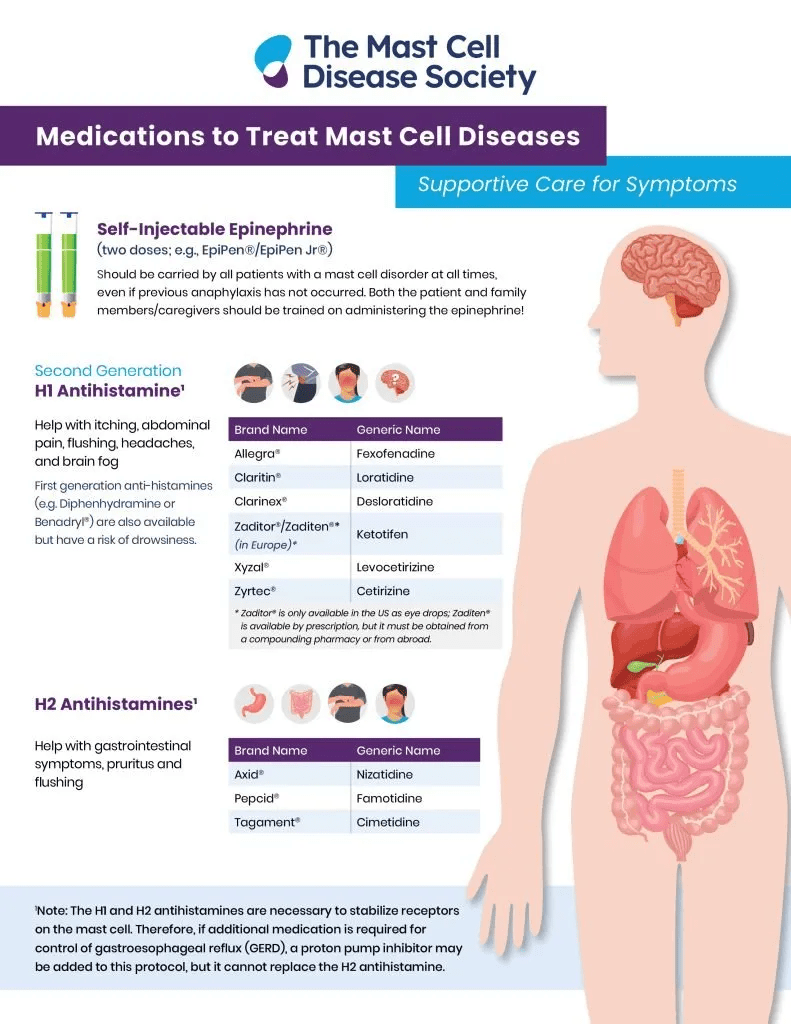
There is no cure for mastocytosis at this time, so treatment focuses on managing symptoms and preventing severe allergic reactions such as anaphylaxis. Most symptoms happen because mast cells release chemicals into the body. This can cause skin rashes, stomach problems like pain, nausea, or diarrhea, and allergic reactions that can sometimes be life-threatening.
Several medications are used to control these symptoms. Antihistamines are very important and help reduce itching, flushing, and stomach discomfort. Cromolyn sodium is often used to improve digestive symptoms. Mast cell stabilizers such as ketotifen help calm mast cell activity. Leukotriene blockers can improve symptoms in some patients. Proton pump inhibitors are used to control excess stomach acid. Steroids may be used in more severe cases when other treatments are not effective. People with systemic mastocytosis should always carry injectable epinephrine in case of a severe allergic reaction.
In recent years, new targeted treatments have improved care, especially for advanced systemic mastocytosis. Avapritinib is a medication that targets the most common genetic change seen in this disease and can help control symptoms and improve outcomes, particularly in more aggressive cases. Midostaurin is another targeted drug used for advanced disease, including very severe forms. Cladribine is sometimes used to quickly reduce the number of abnormal mast cells. Peginterferon alfa may lower mast cell activity and improve symptoms, although it works more slowly. Imatinib can be effective in patients who do not have the most common KIT gene change.
For a small number of people with very advanced diseases who do not respond to other treatments, stem cell transplantation may be considered. Overall, newer medications have greatly improved treatment options and outcomes for people with systemic mastocytosis, especially those with advanced disease. Careful monitoring is still important to manage side effects and adjust treatment when needed.
How You Can Make an Impact:
Without proper research, funding, and support for continued studies and clinical trials to determine possible cures, legitimate medicines for the disease, or preventative treatment, many more people will go on to develop mastocytosis. If you can, please donate here! If you are unable to donate, consider volunteering your time by raising awareness for this rare disease. If you’re interested in learning more about mastocytosis, donation opportunities, or the progress being made on potential treatments, visit the Mast Cell Disease Society. The Mast Cell Disease Society is “dedicated to providing multi-faceted support to patients, families and medical professionals in our community and to leading the advancement of knowledge and research in mast cell diseases through education, advocacy and collaboration.”
References:
Alyea, G., Bundra, K., & Akin, C. (2024, September 12). Mastocytosis. NORD (National Organization for Rare Disorders). https://rarediseases.org/rare-diseases/mastocytosis/
 Rare Disease Insights
Leave a comment