What is Ichthyosis?:
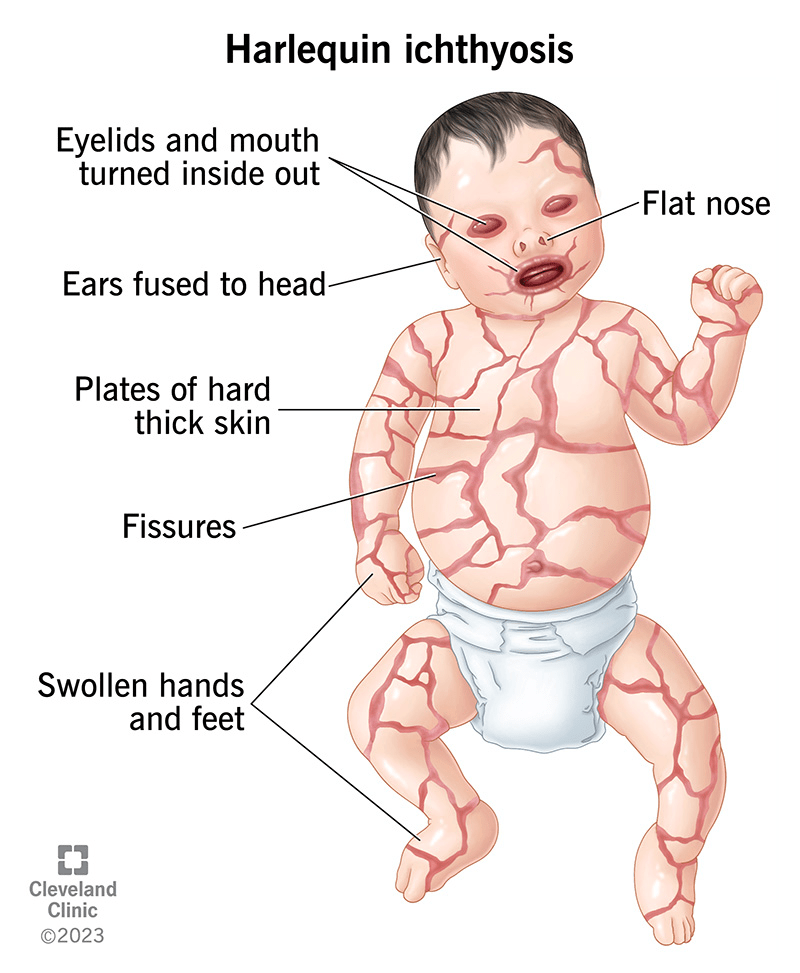
Ichthyosis is a broad name for a group of uncommon inherited skin conditions that cause the skin to become very dry, thick, and scaly. The different types are told apart by how much scaling there is and where it appears on the body, whether the skin is red and how severe that redness is, how the condition is passed down in families, and what other health problems may occur along with it.
Symptoms:
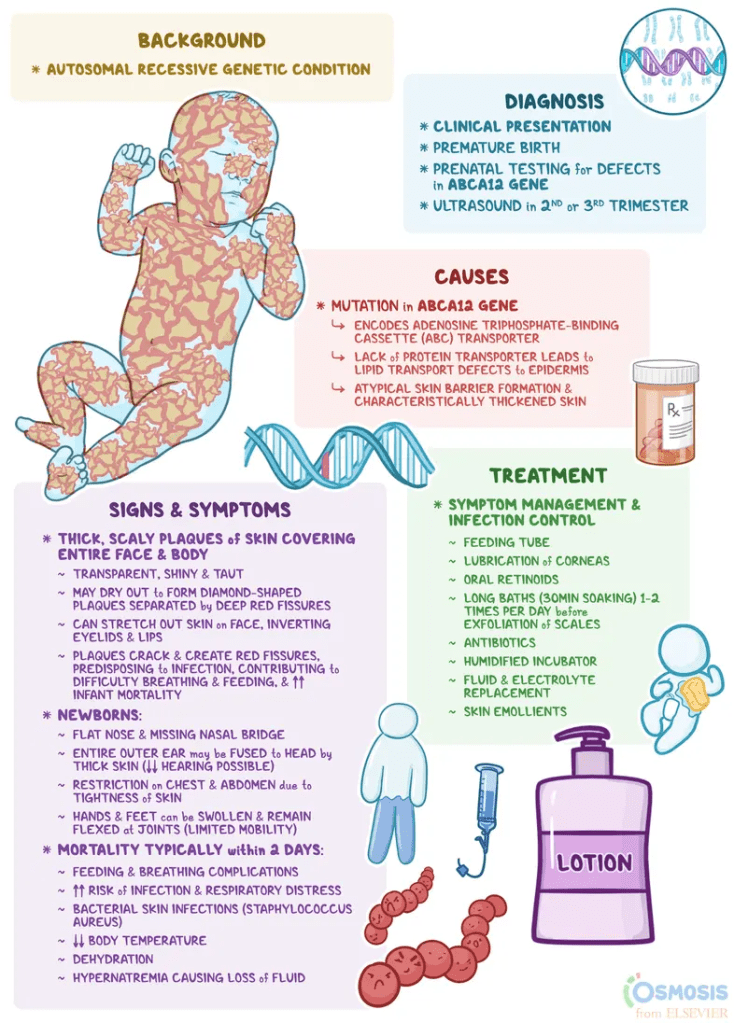
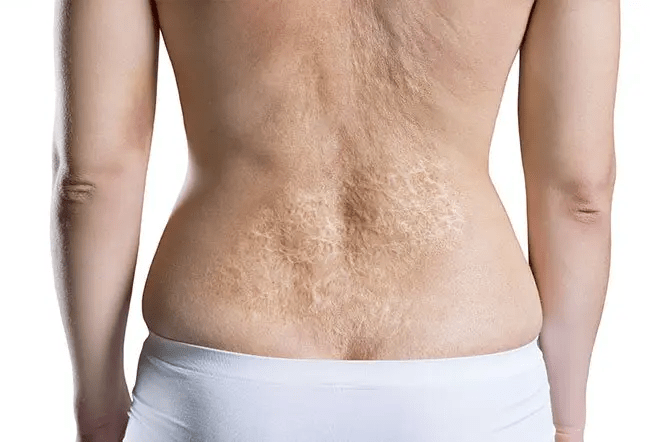
Ichthyosis causes the skin to become very dry and scaly, often affecting large parts of the body. The skin may also be itchy and red. Some babies with certain types are born wrapped in a thin, shiny layer of skin known as a collodion membrane. The scales can look different depending on the type. In some cases, they are small and white, while in others, they are dark, thick, and separated by deep cracks. More severe forms can lead to serious discomfort and other problems. As the skin loses moisture, it becomes tight and stiff, which can make movement painful and cause cracking. Thick skin on the feet can make walking difficult, and cracks around the fingers can make everyday tasks hurt. In some types, the skin is very fragile and easily damaged, increasing the risk of infection.
Heavy scaling on the scalp can affect hair growth, and blocked pores can interfere with sweating, raising the risk of overheating. Even though the skin is thicker, it does not hold in moisture or energy well, which can lead to water and calorie loss. Because the skin renews itself faster than normal, people with severe ichthyosis may need extra calories, especially children who are growing. Some individuals also have trouble fully closing their eyes because the skin around them is too tight. This can cause the eyelids to turn outward, exposing the inner surface and leading to irritation. If not treated, this can damage the eye and affect vision.
Causes:

Most types of ichthyosis are inherited and passed down through families. Some forms are caused by dominant genes, while others result from recessive genes. In certain types, skin cells are made at a normal speed but do not separate and shed properly from the outer layer of the skin, so they build up instead of falling off. In other types, the body produces skin cells too quickly. These cells reach the skin’s surface in just a few days instead of the usual two weeks, causing new cells to pile up before the old ones are shed. In both cases, this buildup leads to the formation of thick, scaly skin.
Treatment:
Dry skin caused by ichthyosis is treated by regularly using moisturizing products that soften the skin. These work best when applied after bathing while the skin is still damp. Lotions that contain ingredients such as alpha hydroxy acids, urea, or propylene glycol can help reduce scaling. Products designed to repair the skin barrier, including those with ceramides or cholesterol, may also improve the skin’s condition. In very severe cases, ichthyosis may be treated with oral medications related to vitamin A. These drugs are only used when the condition is serious because they can cause significant side effects, including problems with bone health.
How You Can Make an Impact:
Without proper research, funding, and support for continued studies and clinical trials to determine possible cures, legitimate medicines for the disease, or preventative treatment, many more people will go on to develop ichthyosis. If you can, please donate here! If you are unable to donate, consider volunteering your time by raising awareness for this rare disease. If you’re interested in learning more about ichthyosis, donation opportunities, or the progress being made on potential treatments, visit the Foundation for Ichthyosis and Related Skin Types (FIRST Skin Foundation). FIRST Skin Foundation strives “to improve lives and seek cures for those affected by ichthyosis and related skin types.”
References:
Foundation for Ichthyosis & Related Skin Types. (2008, April 19). Ichthyosis – Symptoms, Causes, Treatment | NORD. NORD (National Organization for Rare Disorders); NORD. https://rarediseases.org/rare-diseases/ichthyosis/
 Rare Disease Insights
Leave a comment