What is FRDA?:
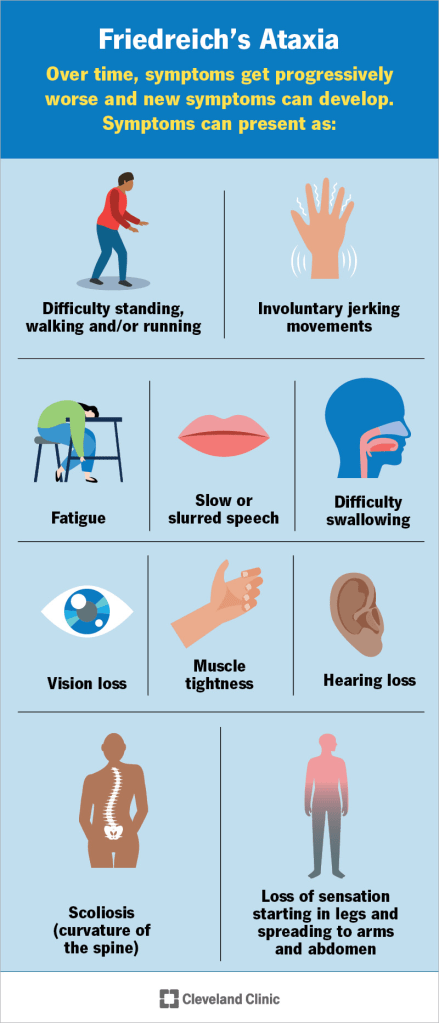
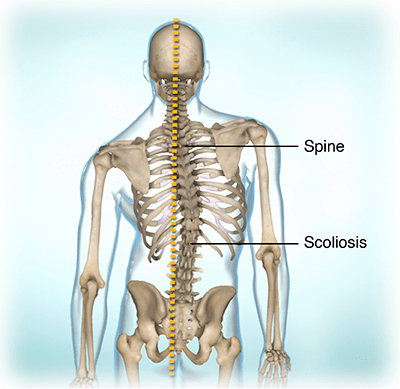
FRDA is a genetic, progressive, neurodegenerative movement disorder that typically begins between the ages of 10 and 15, characterized by ataxia, an impaired ability to coordinate voluntary movements, which causes unsteadiness, frequent falls, and difficulty walking. As the condition advances, individuals often experience slurred speech, foot deformities, scoliosis, and serious non-neurological complications such as cardiomyopathy, cardiac arrhythmias, and diabetes mellitus. These symptoms stem from the degeneration of sensory nerves, specific spinal cord nerve tracts, and the cerebellum, which results from a deficiency in sensory signaling. Genetically, FRDA is an autosomal recessive disorder caused by abnormalities in the FXN gene. This means that affected individuals inherit a pathogenic variant from each parent, resulting in dysfunctional copies of the gene and reduced production of the necessary protein, frataxin.
Symptoms:
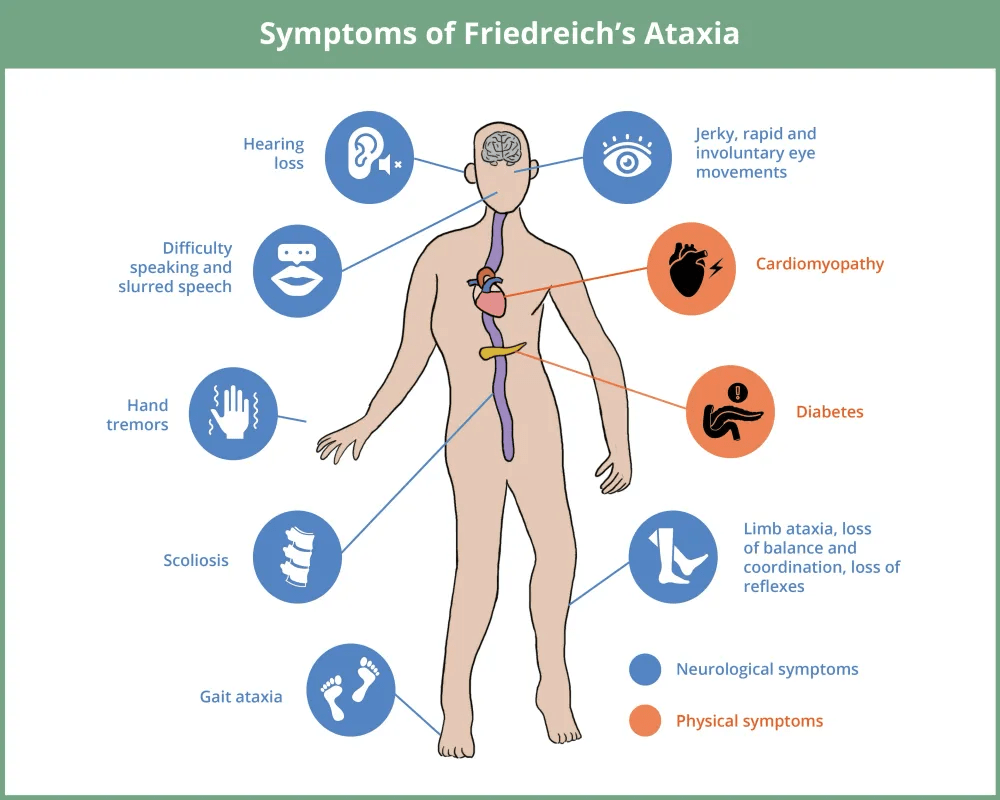
Friedreich’s ataxia (FRDA) is a progressive neurodegenerative disorder characterized primarily by progressive limb ataxia, leading to unsteady gait, poor coordination, and reliance on a wheelchair, along with potential slurred speech, swallowing difficulties, scoliosis, and cardiomyopathy, though intellect remains unaffected. While most commonly diagnosed before age 25, approximately 15% of individuals experience late-onset Friedreich’s Ataxia (LOFA) between age 26-39 or very late-onset Friedreich’s Ataxia at age 40+, which typically present with slower disease progression than the typical, earlier-onset form.
Causes:
FRDA is a progressive neurodegenerative disorder caused by pathogenic variants in the FXN gene, which codes for the essential mitochondrial protein frataxin. In nearly all cases, both copies of the FXN gene contain an expanded GAA trinucleotide repeat in a non-coding region. While unaffected individuals have less than 30 repeats, those with FRDA typically have expanded tracts ranging from 100 to over 1,300 repeats, often exceeding 500. This expansion causes epigenetic silencing and a significant reduction in frataxin protein production. The deficiency in frataxin disrupts mitochondrial function, causing degenerating tissues, particularly nerve and heart cells, to lose energy production capabilities. Disease severity is directly related to the length of the shorter GAA expansion, with shorter expansions (less than 500 repeats) usually causing a later onset, slower progression, and less severe cardiomyopathy. FRDA is inherited in an autosomal recessive manner, where parents are asymptomatic carriers of one expanded copy and one normal FXN gene.
Diagnosis:
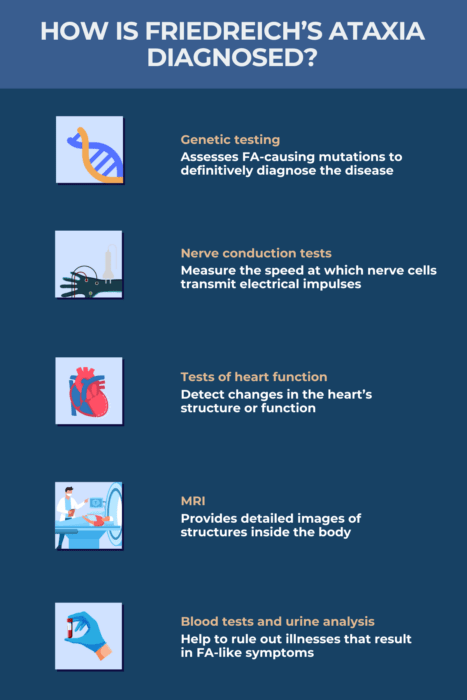
FRDA is primarily suspected in individuals exhibiting characteristic symptoms, such as progressive gait and limb ataxia, sensory dysfunction, and loss of reflexes, along with specific clinical examination findings. A definitive diagnosis is established via molecular genetic testing to detect pathogenic variants in the FXN gene. In over 90% of cases, the condition is confirmed by identifying an abnormally expanded GAA repeat sequence within intron 1 of the FXN gene on both the maternal and paternal alleles.
Treatment:
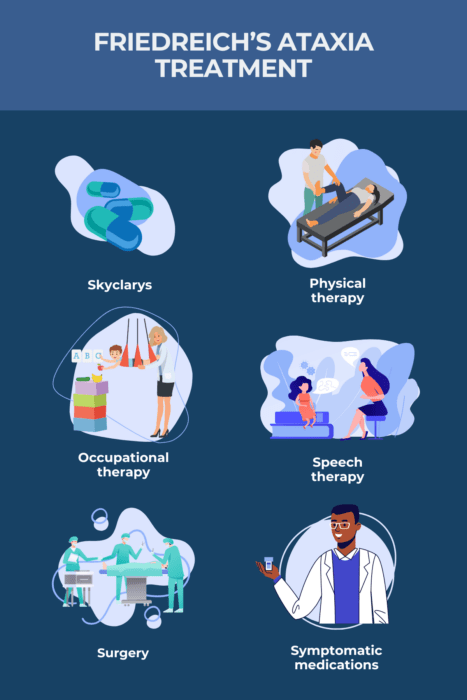
Treatment of FRDA is largely symptomatic and supportive, requiring a multidisciplinary approach to manage the condition’s multi-system effects through continuous supervision of heart, spine, muscle, and sensory complications. While no disease-modifying cure exists, in 2023, the FDA approved omaveloxolone for those aged 16 and older, which was shown in trials to reduce the speed of disease progression. Management strategies include using prostheses, wheelchairs, and physical therapy to maintain activity, alongside surgical or non-surgical orthopedic interventions for spinal curvature and foot abnormalities. Specific complications are treated with medication, such as anti-arrhythmic agents for heart issues, and insulin or dietary changes for diabetes, while speech therapy aids communication. Finally, counseling is recommended to address the emotional strain on patients and families, and genetic counseling is advised.
How You Can Make an Impact:
Without proper research, funding, and support for continued studies and clinical trials to determine possible cures, legitimate medicines for the disease, or preventative treatment, many more people will go on to develop FRDA. If you can, please donate here! If you are unable to donate, consider volunteering your time by raising awareness for this rare disease. If you’re interested in learning more about FRDA, donation opportunities, or the progress being made on potential treatments, visit Friedreich’s Ataxia Research Alliance (FARA). FARA strives “to marshal and focus the resources and relationships needed to cure FA by raising funds for research, promoting public awareness, and aligning scientists, patients, clinicians, government agencies, pharmaceutical companies, and other organizations dedicated to curing FA and related diseases.”
References:
Power, R., Bidichandani, S. I., & Boren, D. L. (2025, April 7). Friedreich’s Ataxia – Symptoms, Causes, Treatment | NORD. NORD (National Organization for Rare Disorders); NORD. https://rarediseases.org/rare-diseases/friedreichs-ataxia/
 Rare Disease Insights
Leave a comment