What is Moebius Syndrome?:
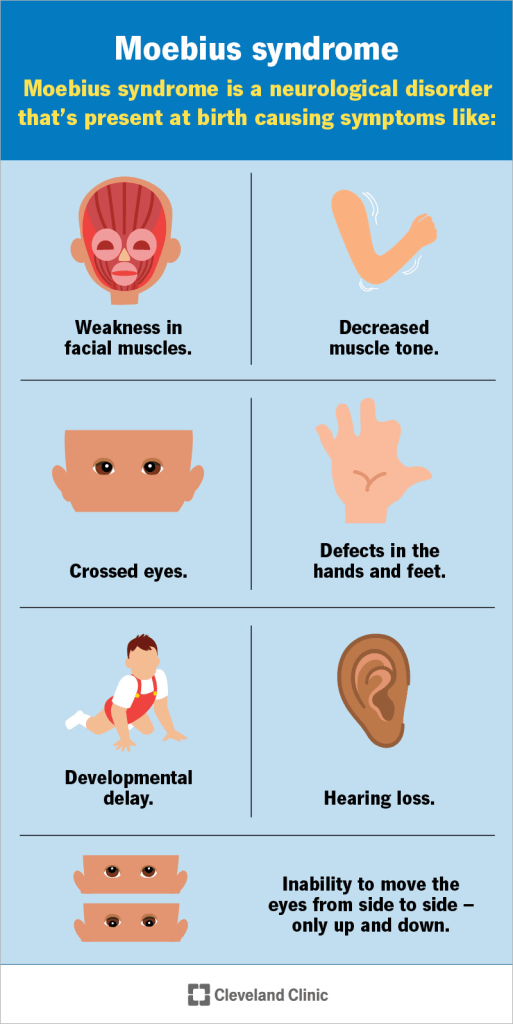
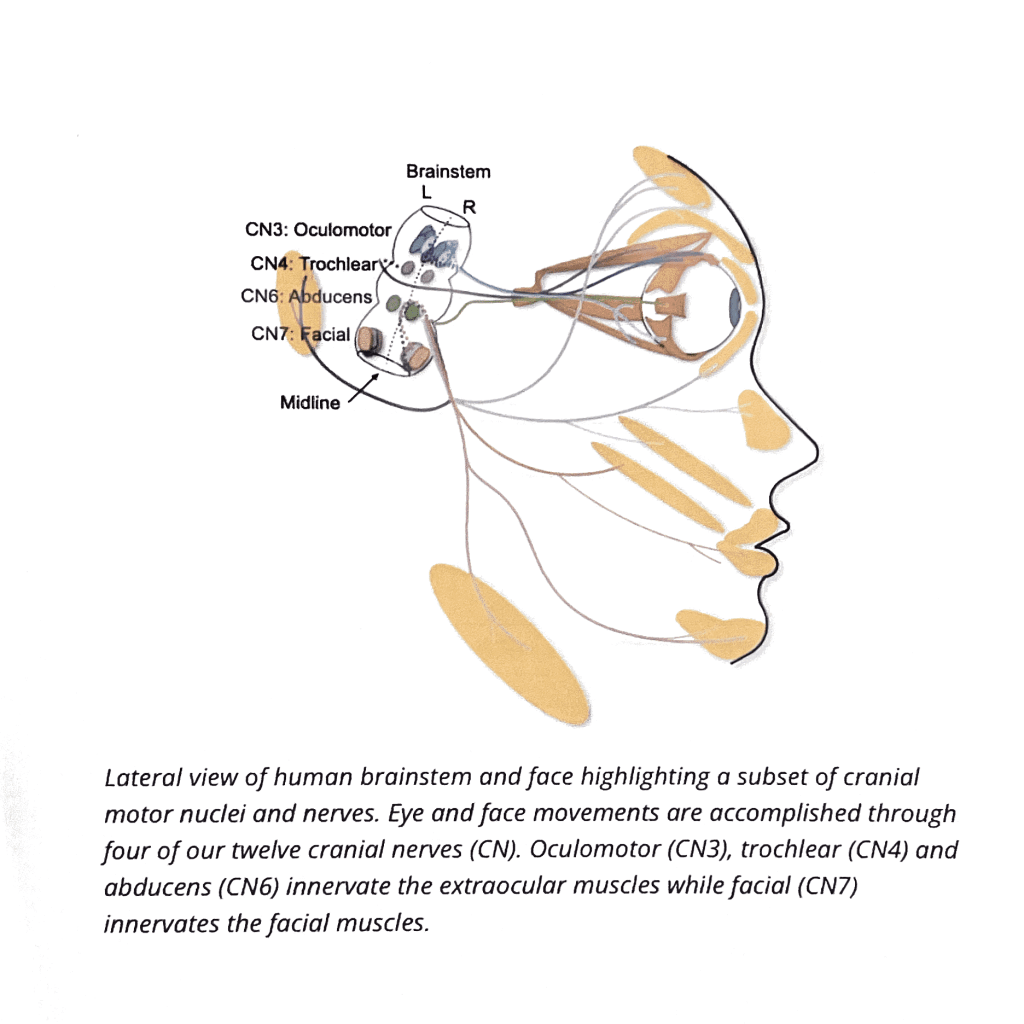
Moebius syndrome is a rare, non-progressive neurological disorder present at birth that primarily affects the 6th and 7th cranial nerves. Because these nerves control facial expression and eye movement, individuals with the condition are typically unable to smile, frown, close their eyelids, or rotate their eyes outward beyond the midline. It is also possible for other cranial nerves to be involved, leading to further physical complexities. This syndrome may also be associated with physical abnormalities such as underdeveloped pectoral muscles or limb defects. While the exact cause is unknown, most cases occur sporadically without a clear trigger. Some instances show the disorder appearing within families, suggesting a potential genetic element.
Symptoms:
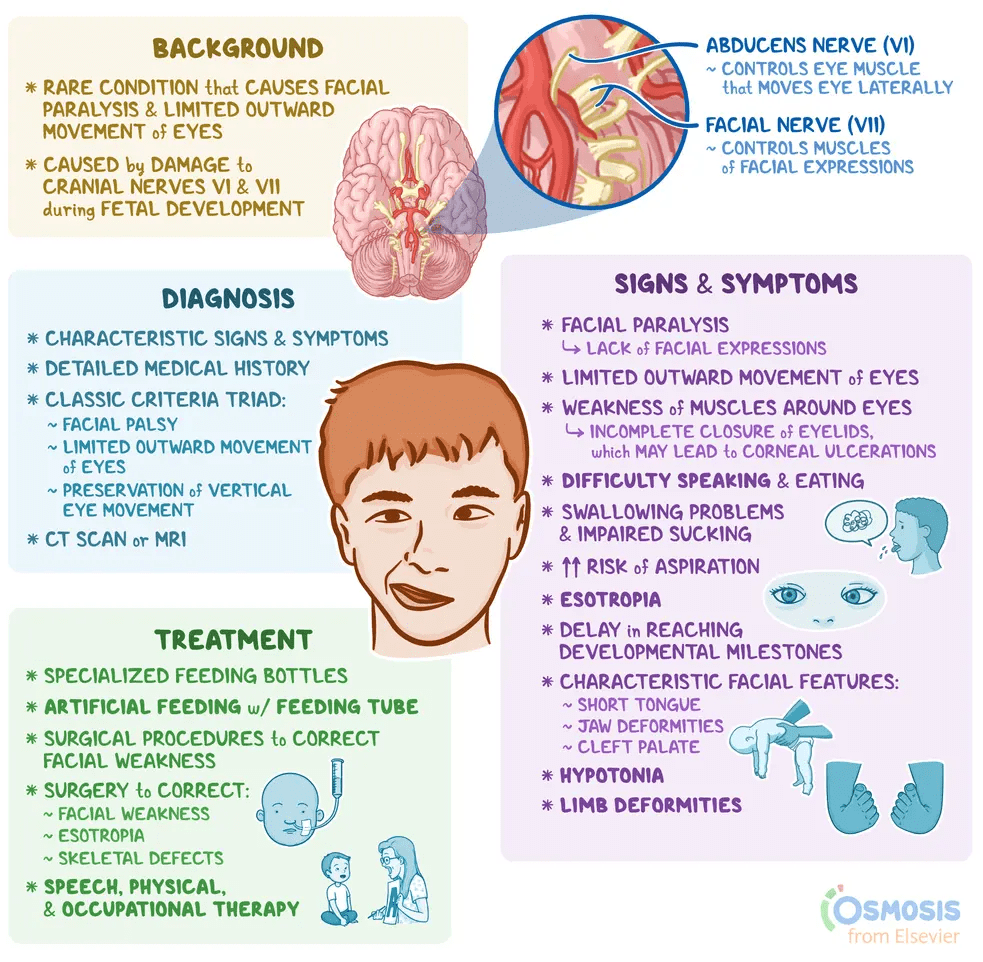
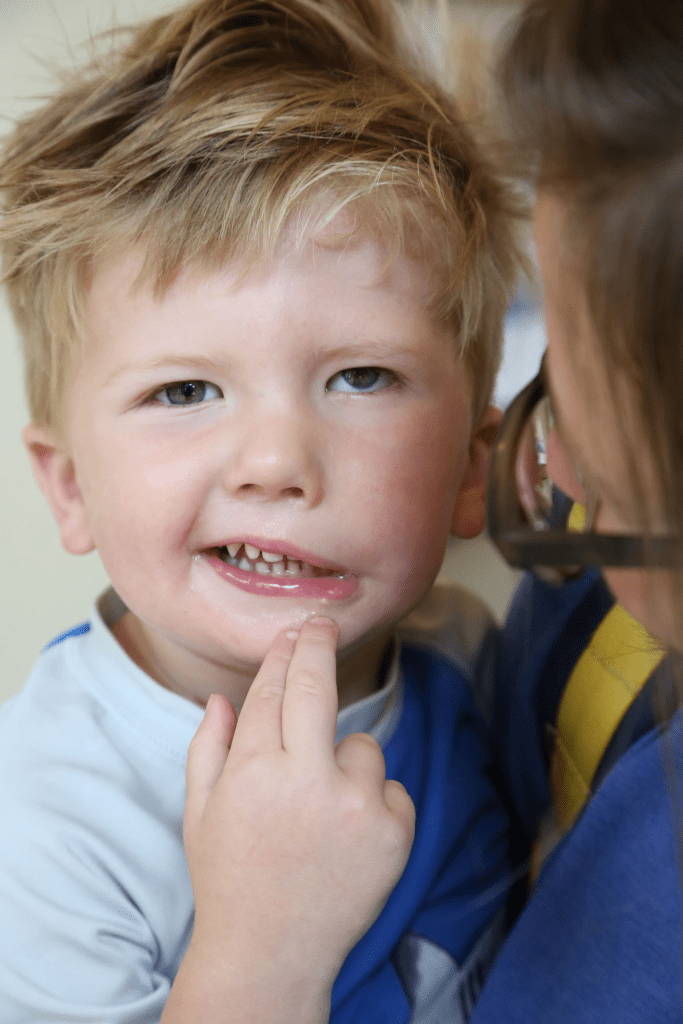
The symptoms of Moebius syndrome include facial paralysis and the inability to move the eyes laterally, though vertical eye movement is typically preserved. Because these symptoms are present from birth, infants often display a “mask-like” facial appearance and must turn their heads to track objects. The condition frequently presents early challenges with feeding, swallowing, and sucking, and the inability to close eyelids, even during sleep, which poses a risk for corneal ulcerations. If other nerves are involved, it can lead to hearing loss, speech delays, and dental complications.
The syndrome is also characterized by a high prevalence of skeletal and physical malformations, affecting over half of those diagnosed. These may include limb differences like clubbed feet, underdeveloped hands, or webbed fingers, as well as respiratory or structural issues ranging from a small jaw, a malformed tongue, to a cleft palate. While some children experience initial delays in physical milestones like crawling or walking due to upper body weakness, most eventually catch up.
Beyond the physical symptoms, Moebius syndrome carries significant social and psychological implications. The lack of facial expression can lead others to misinterpret the individual’s emotions or intentions, which may result in social apprehension or frustration. While research into links with intellectual disability or autism remains inconclusive, the primary social challenge often stems from navigating a world that relies heavily on non-verbal facial cues.
Causes:
While the exact cause of Moebius syndrome remains unknown, current research suggests it is a multifactorial condition likely rooted in a developmental defect of the hindbrain. One leading hypothesis proposes that the syndrome results from interrupted blood flow, or ischemia, to the fetus during pregnancy. This lack of oxygen and nutrients may damage the lower brainstem, where cranial nerve nuclei are located. While environmental and mechanical factors are considered potential triggers for this vascular disruption, the specific origin of the disorder varies between individuals.
Genetically, most cases occur sporadically due to random mutations, including those identified in the PLXND1 and REV3L genes. Rare familial patterns have been observed, following an autosomal dominant inheritance trait. In these instances, a single copy of an abnormal gene from one parent is sufficient to cause the disorder, carrying a 50% chance of being passed to offspring. Researchers believe the syndrome is heterogeneous, meaning it likely arises from a diverse range of underlying genetic and environmental influences.
Diagnosis:
A diagnosis of Moebius syndrome is primarily clinical, relying on a thorough evaluation of a patient’s medical history and the identification of its hallmark physical signs. Because there are no definitive laboratory or imaging tests to confirm the condition, physicians focus on a detailed clinical assessment to observe nerve function and associated abnormalities. In some cases, specialized testing may be utilized, though typically only to rule out other potential causes of facial paralysis.
Treatment:
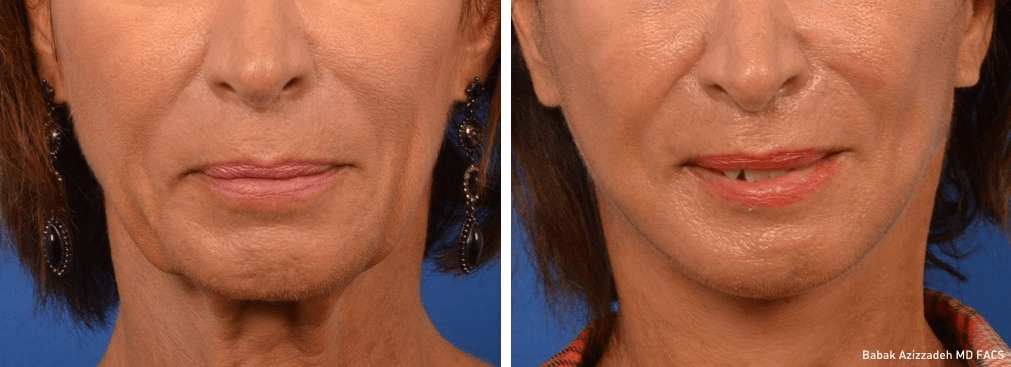
Treatment for Moebius syndrome is highly individualized, typically managed by a team at various specialized centers. Because the condition affects various systems, care involves a group of experts, including neurologists, plastic surgeons, ophthalmologists, and speech pathologists. Management often focuses on functional improvements, such as physical and occupational therapy, speech therapy, and the use of splints or prostheses for limb abnormalities, and surgical interventions to address skeletal malformations and chest wall underdevelopment.
A primary focus of treatment is addressing facial paralysis to improve both function and quality of life. Traditional techniques, like the temporalis tendon transfer, repurpose chewing muscles to assist with mouth movement and eyelid closure. More advanced options include cross-facial nerve grafts for unilateral paralysis. This newer procedure involves transferring a muscle from the thigh to the face and connecting it to the masseter nerve, which has significantly improved facial mobility and speech clarity for many patients. Additionally, consistent eye lubrication and genetic counseling are vital components of long-term care for individuals and their families.
How You Can Make an Impact:
Without proper research, funding, and support for continued studies and clinical trials to determine possible cures, legitimate medicines for the disease, or preventative treatment, many more people will go on to develop Moebius syndrome. If you can, please donate here! If you are unable to donate, consider volunteering your time by raising awareness for this rare disease. If you’re interested in learning more about Moebius syndrome, donation opportunities, or the progress being made on potential treatments, visit the Moebius Syndrome Foundation. The Moebius Syndrome Foundation is dedicated “to provide information and support to individuals with Moebius syndrome and their families, to promote greater awareness and understanding of Moebius syndrome, and to advocate for scientific research that advances the diagnosis and treatment of Moebius syndrome and its associated conditions.”
Let’s keep spreading awareness! – Lily
References:
Mulliken, J. B., & Ganske, I. (2016, March 17). Moebius Syndrome – Symptoms, Causes, Treatment | NORD. NORD (National Organization for Rare Disorders); NORD. https://rarediseases.org/rare-diseases/moebius-syndrome/
 Rare Disease Insights
Leave a comment