What is Aquagenic Urticaria?:
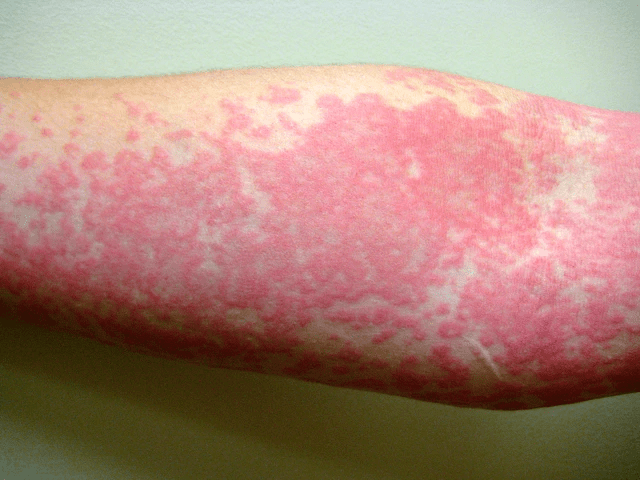
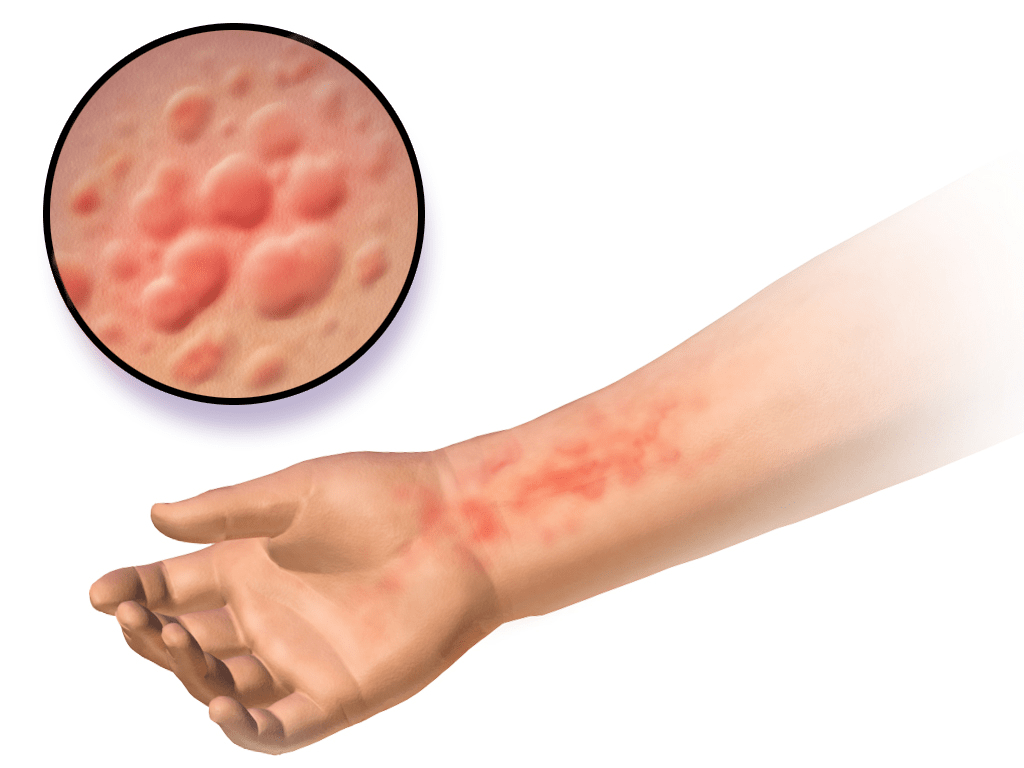
Aquagenic urticaria is an extremely rare, chronic, inducible form of physical urticaria triggered by skin contact with water, regardless of its temperature or source. Causing itchy, punctate welts that typically appear within 20 to 30 minutes and resolve shortly after exposure, the condition is hypothesized to stem from a hypersensitivity reaction between water and unknown skin substances. Diagnosis requires a water challenge test, while management relies on antihistamines, topical barriers, and trigger avoidance.
Symptoms:
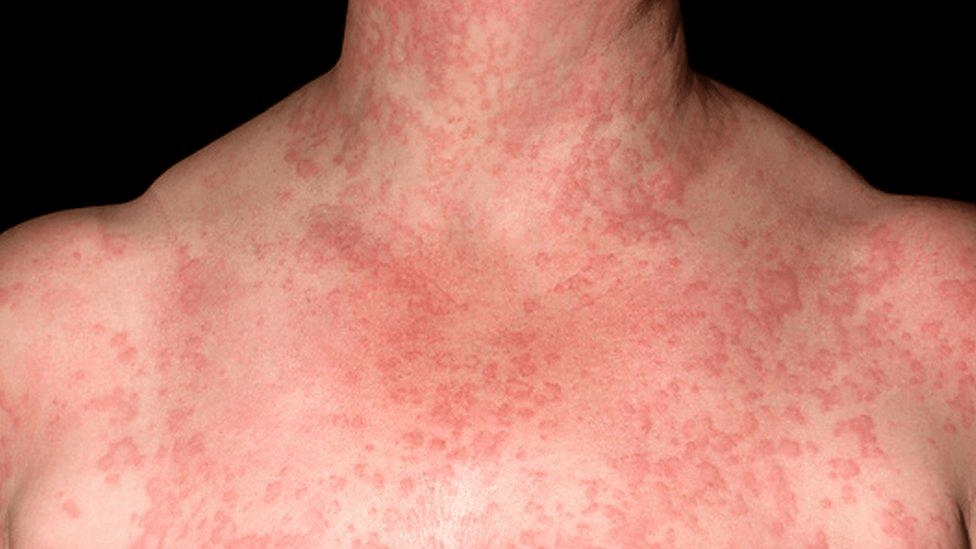
These welts predominantly appear on the neck, chest, and arms, while generally sparing the palms and soles. Various water sources, including rain, sweat, and tears, can provoke the reaction regardless of temperature, though the hives typically fade within 30 to 60 minutes after the skin is dried. While some individuals may not experience reactions for several hours after exposure, others find that repeated, short exposures to water can desensitize the skin and prevent allergic reactions. Systemic symptoms and severe reactions like anaphylaxis are extremely rare, though they have been reported following skin exposure or ingestion. Additionally, the condition is occasionally linked with other forms of inducible urticaria.
Causes:
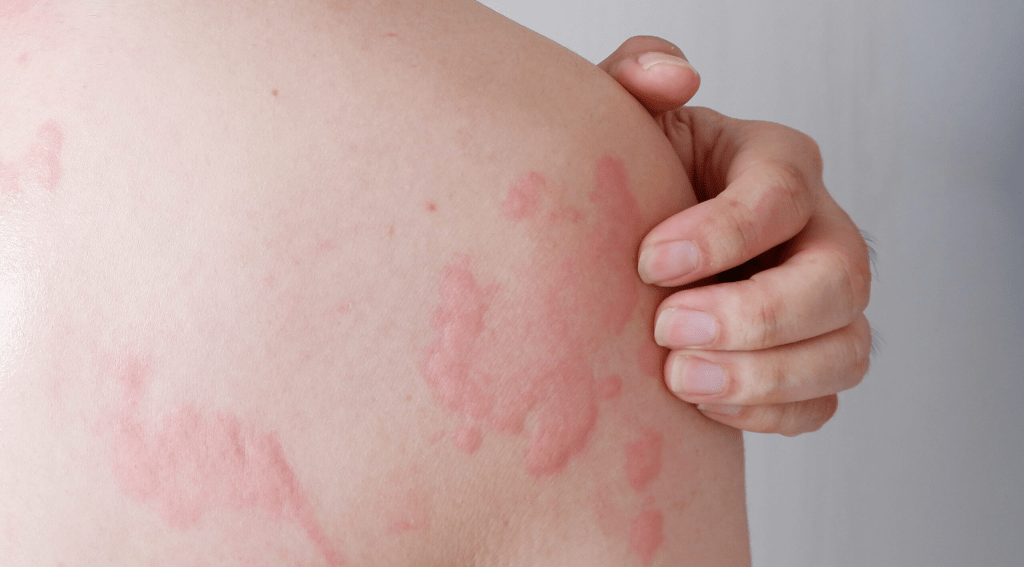
Although the exact cause of aquagenic urticaria is unknown, researchers have proposed several mechanisms. The primary theory suggests water interacts with specific proteins in the skin, creating allergens that trigger mast cells to release histamine and inflammatory mediators. This causes redness and hives, though the condition is unique in that it is non-temperature dependent and can be brought on by any water source. While extremely rare, there may also be a poorly understood hereditary component to the condition.
Diagnosis:
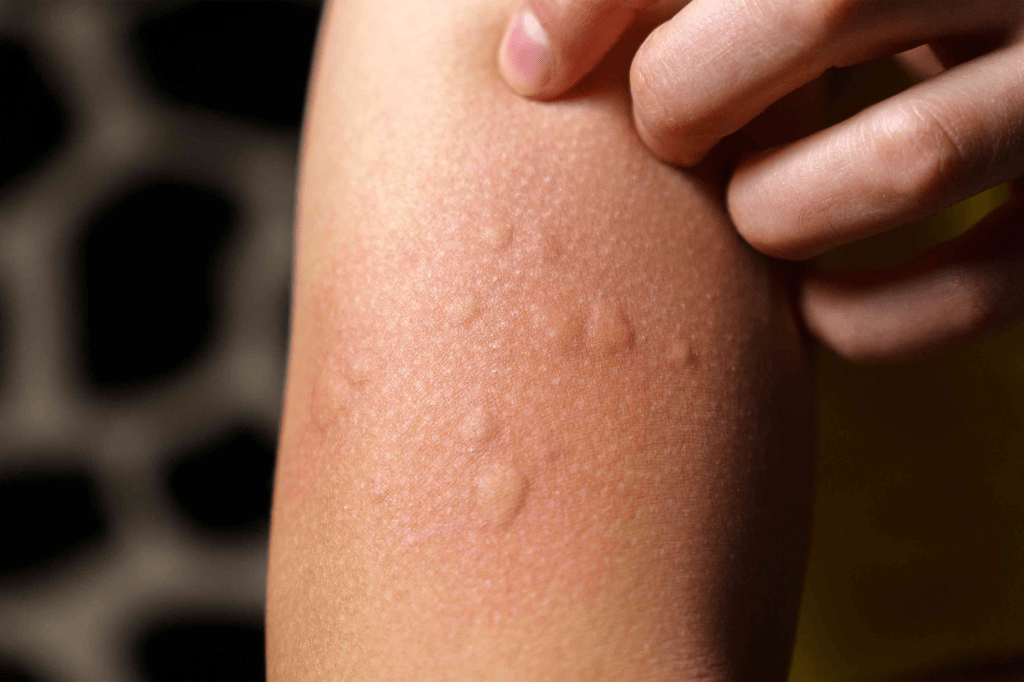
Aquagenic urticaria is suspected when hives develop after water exposure and is confirmed via a water challenge test. After stopping antihistamines for several days, a 35-degree Celsius water or saline compress is applied to the upper body for 30 to 40 minutes. If hives appear after drying, the test is positive. Ambient-temperature water is preferred to prevent confusion with temperature-induced hives. For cases where localized testing is negative, direct bathing or rinsing may be attempted, but this is avoided in patients with a history of severe systemic reactions.
Treatment:
While there is no cure for aquagenic urticaria, a combination of medications and lifestyle changes can effectively manage symptoms and preserve your quality of life. First-line treatments typically include non-sedating H1 antihistamines, like cetirizine or loratadine, while refractory cases may respond to therapies such as Omalizumab or phototherapy. You can also minimize reactions by applying barrier creams before water exposure, limiting direct contact with water, and carrying antihistamines for immediate relief.
How You Can Make an Impact:
Without proper research, funding, and support for continued studies and clinical trials to determine possible cures, legitimate medicines for the disease, or preventative treatment, many more people will go on to develop aquagenic urticaria. If you can, please donate here! If you are unable to donate, consider volunteering your time by raising awareness for this rare disease. If you’re interested in learning more about aquagenic urticaria, donation opportunities, or the progress being made on potential treatments, visit the Allergy & Asthma Network.
References:
Alyea, G. (2024, December 5). Aquagenic Urticaria – Symptoms, Causes, Treatment | NORD. National Organization for Rare Disorders. https://rarediseases.org/rare-diseases/aquagenic-urticaria/
 Rare Disease Insights
Leave a comment