What is OCMD?:
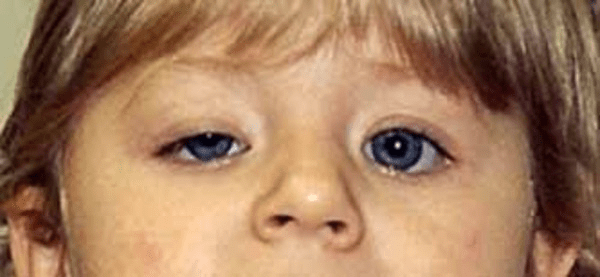
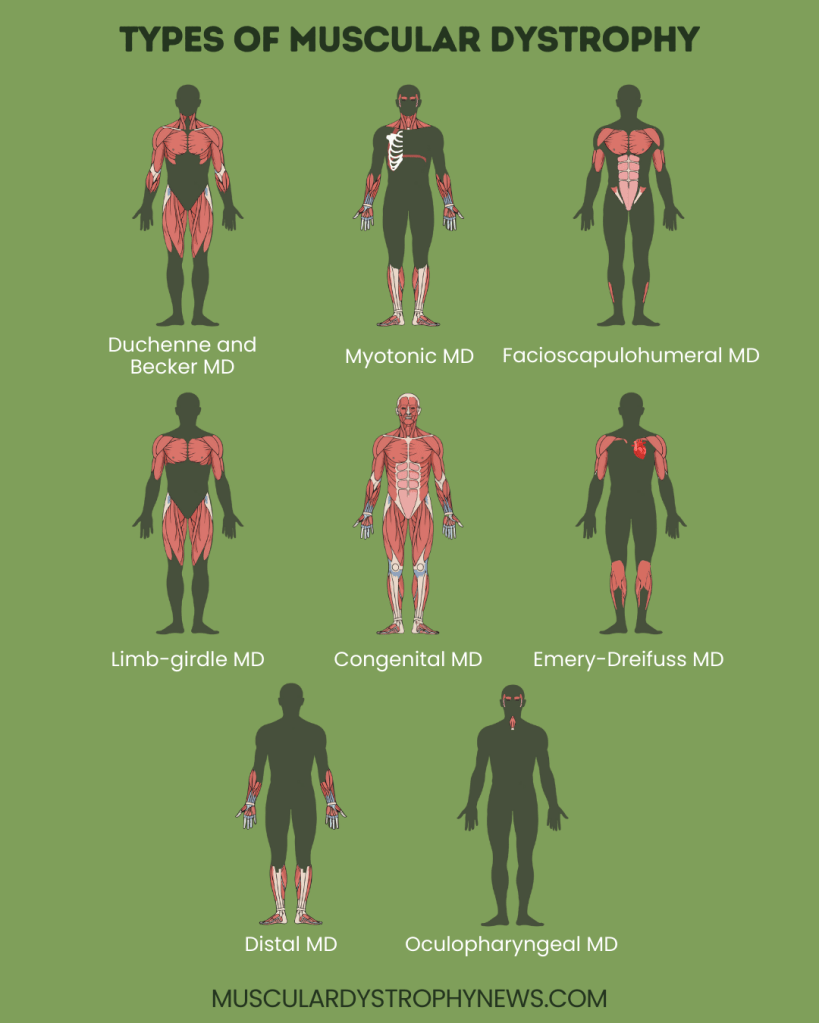
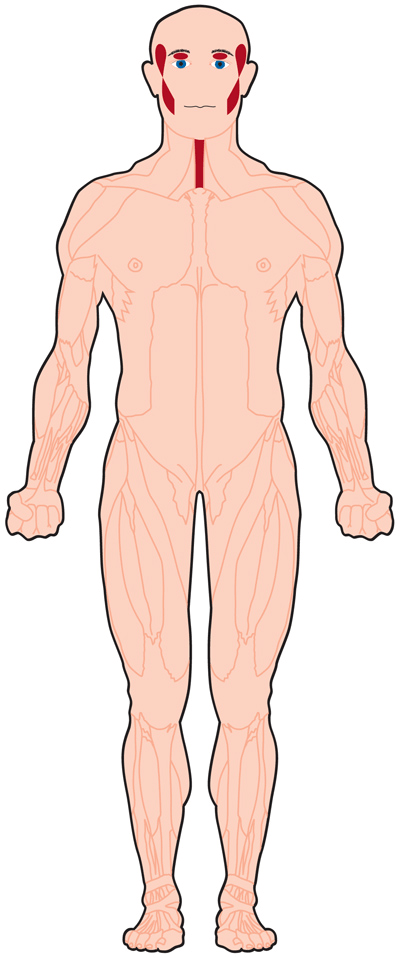
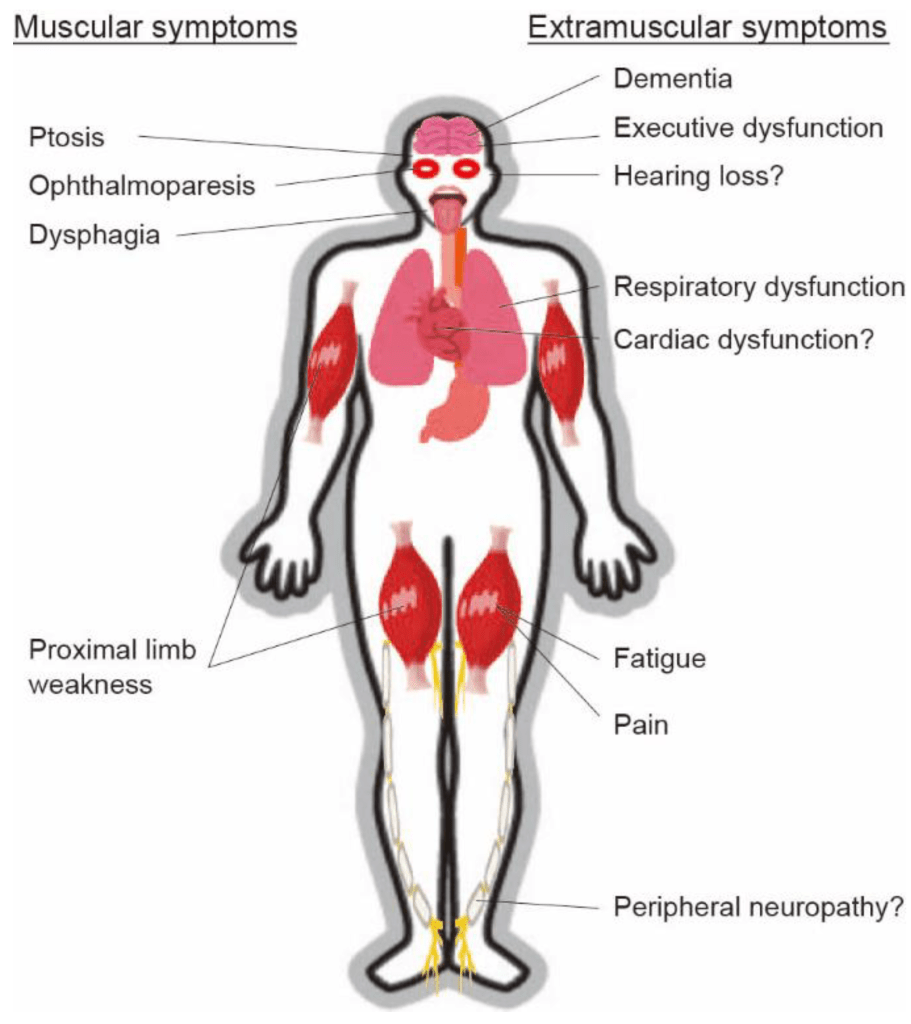
OPMD is a rare genetic muscle disorder that typically emerges in adulthood, most often between the ages of 40 and 60. As a form of muscular dystrophy, it causes slowly progressive muscle weakness and wasting; however, unlike most other muscular dystrophies that begin during childhood or adolescence, OPMD specifically targets the voluntary muscles of the upper eyelids and the throat first. This unique targeting leads to characteristic symptoms such as drooping eyelids, restricted eye movement, and difficulty swallowing, though double vision remains uncommon.
As the condition advances, the muscle weakness can spread beyond the eyes and throat to involve the upper legs and arms, known as proximal limb weakness. Over time, this progression into the lower limbs can cause significant difficulty walking for some affected individuals. Genetically, OPMD is passed down through families as either an autosomal dominant or an autosomal recessive trait.
Symptoms:
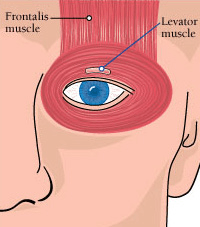
OPMD stems from a genetic defect present at birth, though symptoms typically do not emerge until adulthood, usually between the ages of 40 and 60. The condition progresses at widely varying rates, even within the same family, primarily causing weakness in the muscles of the eyes, throat, and limbs. The most frequent early signs are swallowing difficulties and a progressive drooping of both upper eyelids. If the eyelids droop enough to block vision, individuals may tilt their heads back to see. Over time, further weakness in the muscles around the eyes can restrict eye movement or cause double vision. Because swallowing becomes impaired, affected individuals often feel food sticking in their throat, which carries a severe risk of aspiration (food or liquid entering the lungs), potentially leading to aspiration pneumonia.
As OPMD advances, muscle weakness and wasting frequently spread to other areas of the body. This typically begins in the proximal muscles closest to the body’s center, such as the pelvis, shoulders, upper legs, and upper arms, and can eventually extend to the distal muscles of the lower extremities and hands. Leg weakness develops independently of the severity of the eye or throat issues and varies from mild to severe. In about 10% of cases, it can significantly impair mobility, making it difficult to walk, climb stairs, or stand from a squat, ultimately requiring a wheelchair. Other late-stage complications can include weakness and atrophy of the tongue and facial muscles, restricted upward gaze, and difficulty speaking.
Causes:
OPMD is caused by mutations in the PABPN1 gene, which researchers have mapped to a specific location on the long arm of chromosome 14, specifically at 14q11.2-q13. Chromosomes act as the storage units for our genetic code, with human cells typically containing 23 pairs numbered 1 through 22, alongside the X and Y sex chromosomes. Each chromosome is split into a short “p” arm and a long “q” arm, which are further divided into numbered bands that pinpoint the precise locations of individual genes.
Depending on the specific mutation, OPMD can be inherited as either an autosomal dominant or an autosomal recessive condition. In its dominant form, a person only needs to inherit one copy of the mutated gene from either parent to manifest the disease. An affected parent has a 50% chance of passing this dominant gene to each of their children, regardless of the child’s biological sex.
Conversely, the rarer recessive form of OPMD only occurs if an individual inherits a mutated copy of the gene from both parents. When two unaffected carriers (people who possess one mutated gene and one normal gene) have children, each pregnancy carries a 25% chance of the child inheriting both mutated genes and developing OPMD, a 50% chance of the child becoming an unaffected carrier like the parents, and a 25% chance of the child inheriting two completely normal genes.
Diagnosis:
The diagnosis of OPMD is initially suspected through a comprehensive clinical evaluation, a detailed review of the patient’s medical and family history, and the identification of classic symptoms like drooping eyelids and swallowing difficulties. To definitively confirm the condition, doctors use commercially available blood tests that can accurately detect the specific genetic mutation in the PABPN1 gene associated with the disorder.
Treatment:
Treatment OPMD focuses on managing each person’s specific symptoms through surgical interventions and supportive care. To address drooping eyelids, plastic surgery can lift the lids to restore the line of sight; however, because the muscles responsible for closing the eyes are also weak, patients may struggle to shut their eyes completely post-surgery. For individuals facing severe swallowing difficulties, doctors may perform a cricopharyngeal myotomy, a procedure that cuts a specific throat muscle to keep it relaxed, making it easier for food and liquid to pass. Alternatively, a feeding tube can be placed directly into the small intestine to bypass swallowing entirely.
Beyond surgical options, managing the condition relies heavily on mobility aids and supportive services. Individuals experiencing walking difficulties often utilize orthopedic devices such as canes, leg braces, or walkers to maintain their independence. Additionally, genetic counseling is highly recommended to help patients and their families understand the hereditary nature of the disease, while all other therapies are tailored to provide ongoing symptomatic relief and comfort.
How You Can Make an Impact:
Without proper research, funding, and support for continued studies and clinical trials to determine possible cures, legitimate medicines for the disease, or preventative treatment, many more people will go on to develop OPMD. If you can, please donate here! If you are unable to donate, consider volunteering your time to raise awareness about this rare disease. If you’re interested in learning more about OPMD, donation opportunities, or the progress being made on potential treatments, visit the OPMD Association.
References:
Lee, M. (2017, November 1). Oculopharyngeal Muscular Dystrophy – Symptoms, Causes, Treatment | NORD. NORD (National Organization for Rare Disorders). https://rarediseases.org/rare-diseases/oculopharyngeal-muscular-dystrophy/
 Rare Disease Insights
Leave a comment