What is Clarkson Syndrome?:
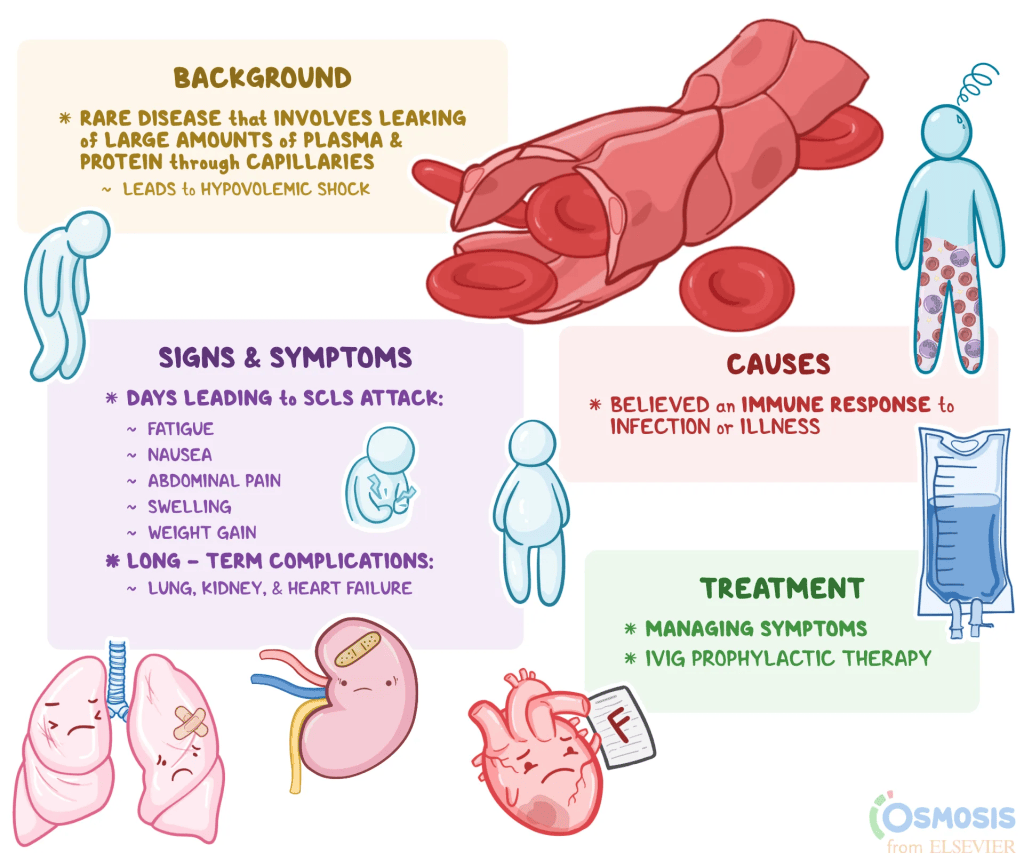
SCLS is a rare disorder where fluid leaks from capillaries, causing sudden, severe drops in blood pressure. These life-threatening attacks last several days and require emergency care. SCLS primarily affects adults and is extremely rare in children.
Symptoms:
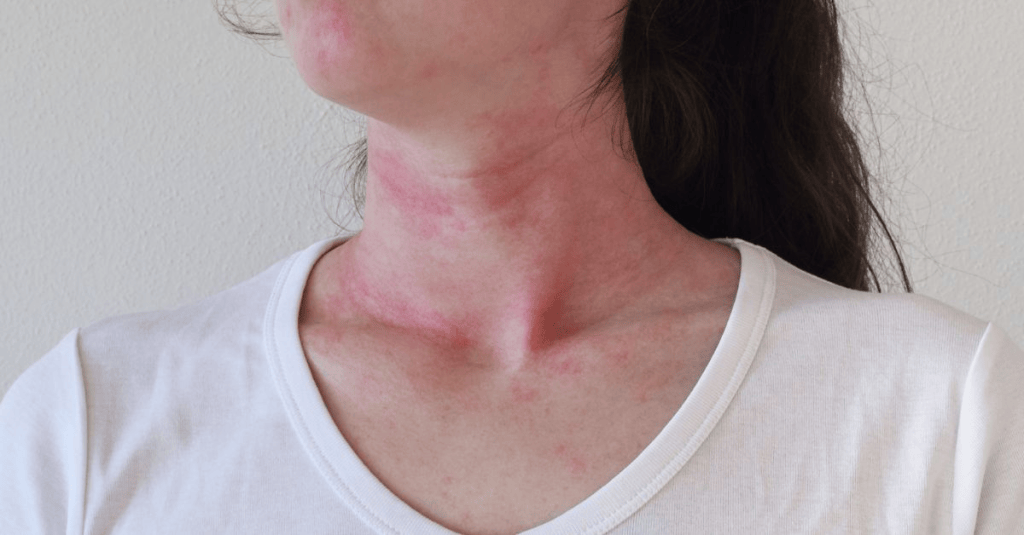
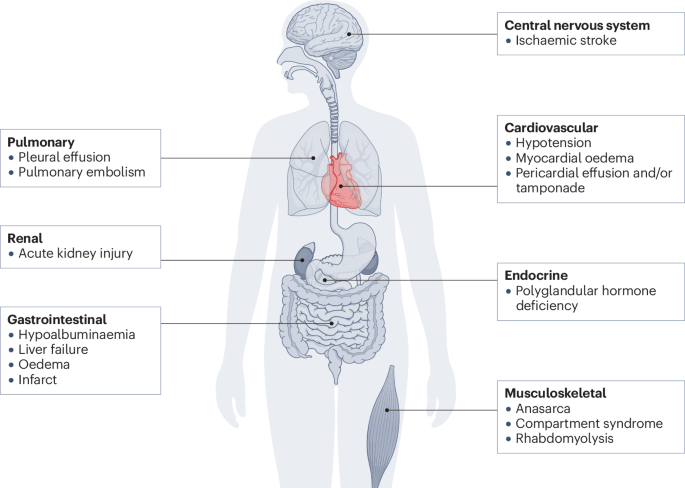
SCLS features warning signs like a cough or congestion, followed by nausea, dizziness, pain, and extremity swelling. During attacks, patients may experience elevated white blood cell counts but lack typical infection signs, like fever. A chronic form also exists, presenting with fluid accumulation around internal organs and decreased serum albumin.
Because spontaneous recovery is rare, medical intervention is required. SCLS can be misdiagnosed due to fluctuating blood cells and thickened blood. Patients with acute or chronic symptoms may respond to medical treatments such as intravenous immune globulin, glucocorticoids, diuretics, and aminophylline.
Causes:
SCLS is a rare condition of unknown exact cause, though it shows no hereditary predisposition. Most patients have low levels of a monoclonal (M) protein in their blood, produced by plasma cells. While the M protein’s specific role in acute attacks is unclear, experts propose theories ranging from an autoimmune response to damage caused by a blood factor during flares.
Diagnosis:
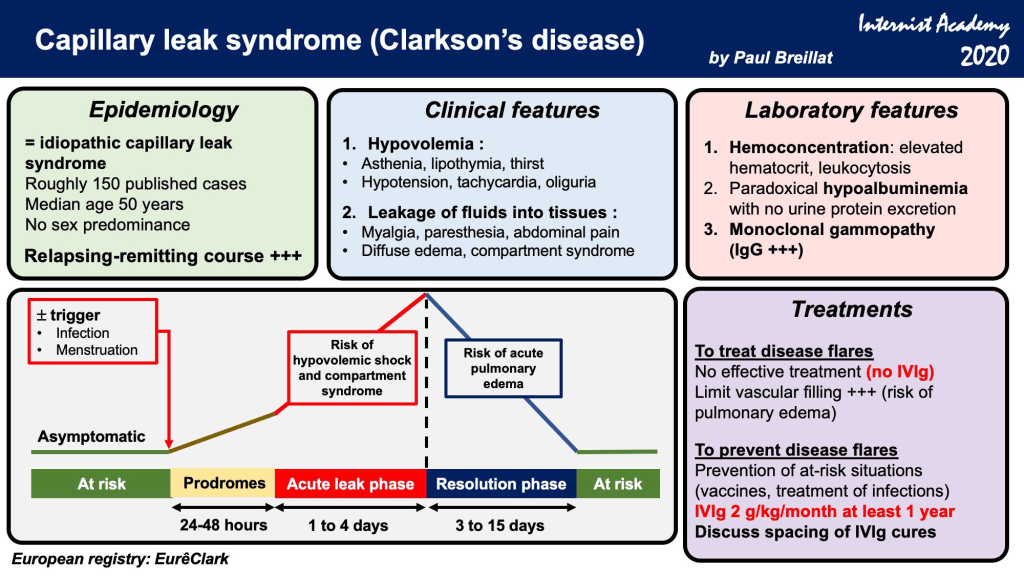
SCLS is diagnosed through clinical parameters like low blood pressure, increased hematocrit, and hypoalbuminemia, though these require further testing to rule out infections or C-1 esterase inhibitor deficiencies. The hallmark of the syndrome is profound hemoconcentration, a sharp decrease in serum albumin, and an increase in hemoglobin/hematocrit caused by fluid loss rather than red blood cell overproduction, which can be misdiagnosed as polycythemia. Confirming the diagnosis requires proof of this hemoconcentration. Additionally, testing for an M protein should be conducted during convalescence; its absence indicates atypical SCLS, a variant where patients may still benefit from prophylactic therapy.
Treatment:
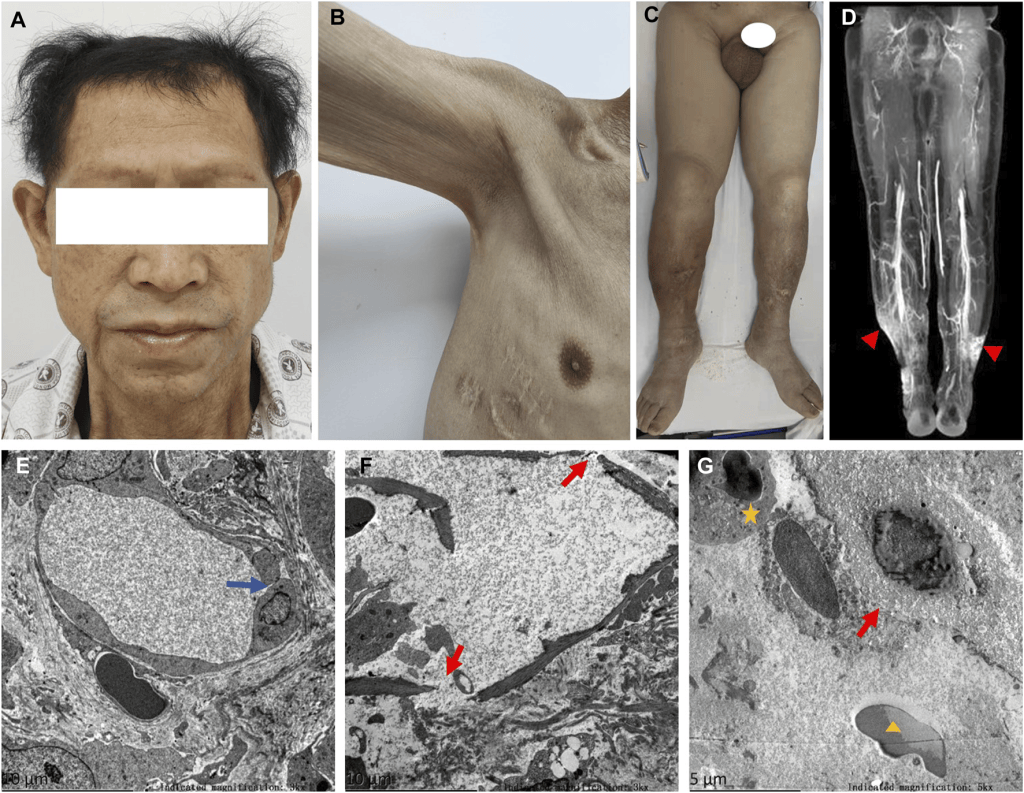
While there is currently no cure for SCLS, treatment focuses on managing acute attacks and preventing their recurrence. Acute episodes are treated in two distinct stages, starting with the resuscitation phase. During this initial phase, fluids and albumin leak from the capillaries into surrounding tissues, causing severe swelling, low blood pressure, and a risk of organ damage. To treat this, doctors carefully administer intravenous fluids, albumin, and colloids to maintain blood pressure just high enough to protect vital organs without over-hydrating the patient. Over-hydration can lead to fluid accumulation in the lungs or extreme swelling in the limbs that requires surgical decompression. As the capillary leak subsides, the patient enters the recruitment phase, where the main threat shifts to fluid overload as the body reabsorbs the leaked fluids. Diuretics are often used in this phase to clear excess fluid, and glucocorticoids are frequently administered to help reduce the capillary leak.
To minimize the frequency and severity of these attacks, patients receive ongoing maintenance therapy. The current standard of care is monthly intravenous immunoglobulin (IVIG) therapy, which has been shown to significantly improve patient survival rates. Secondary oral medications, such as a combination of theophylline and terbutaline, leukotriene inhibitors, or ACE inhibitors, may also be prescribed, though their preventive benefits are less certain.
References:
Melika, M., & Druey, K. (2024, July 18). Systemic Capillary Leak Syndrome – Symptoms, Causes, Treatment | NORD [Review of Systemic Capillary Leak Syndrome – Symptoms, Causes, Treatment | NORD]. NORD (National Organization for Rare Disorders). https://rarediseases.org/rare-diseases/systemic-capillary-leak-syndrome/
 Rare Disease Insights
Leave a comment